12% of Global Cancer Cases Linked to Infections in 2024
New WHO study reveals that infections are responsible for approximately 2.3 million cancer cases worldwide this year.
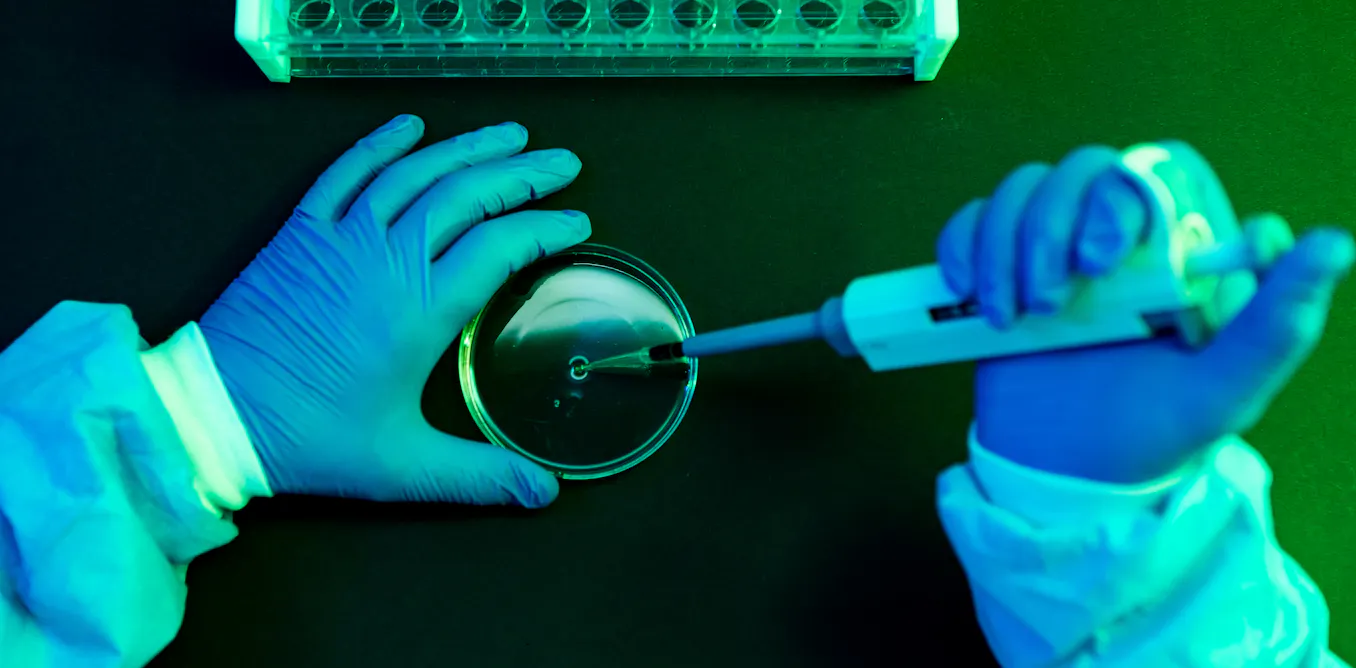
Infections account for 12% of global cancer cases, primarily from five pathogens.
HPV vaccination has significantly reduced cervical cancer rates in Australia.
75% of infection-related cancers occur in low- and middle-income countries.
A recent study from the World Health Organization (WHO) indicates that around 12% of cancer cases globally in 2024 are likely attributable to infections. This research, published in The Lancet Oncology, highlights the significant role infections play in the development of various cancers, linking approximately 2.3 million new cases to infectious agents.
The study identifies five primary pathogens responsible for these infections: Helicobacter pylori, human papillomavirus (HPV), hepatitis B, Epstein-Barr virus, and hepatitis C. Collectively, these infections are known to cause over 20 different cancer types, including stomach, liver, and cervical cancers. The authors of the study have been investigating the connection between infections and cancer for decades, with previous research tracing back to the early 1990s.
While the proportion of cancer cases attributed to infections has fluctuated over the years, the latest findings emphasize the importance of infection control in reducing cancer incidence. The study does not aim to compare historical data but rather to underscore the potential for infection prevention strategies to mitigate cancer risks.
Infections can lead to cancer through various mechanisms, including the alteration of host cell genes, which may cause uncontrolled cell growth. Viruses can disrupt normal cellular functions, while chronic infections from bacteria and parasites can induce inflammation and tissue damage, ultimately resulting in cancerous mutations. The research reinforces the notion that many cancers are preventable, particularly through vaccination and treatment of infectious diseases.
For instance, the HPV vaccine has been instrumental in reducing cervical cancer rates in Australia, with a reported 90% drop in HPV infections since its introduction in 2007. However, vaccination rates among adolescents have declined recently, raising concerns about future cancer prevention efforts. Alarmingly, the study reveals that a significant majority of infection-related cancers occur in low- and middle-income countries, where access to preventative measures and treatments remains limited. Addressing these disparities is crucial in the global fight against cancer.