EASD Study Links Red Meat Sugar to 63% Increased Diabetes Risk
A new study reveals a significant connection between sugar in red meat and a heightened risk of type 2 diabetes.
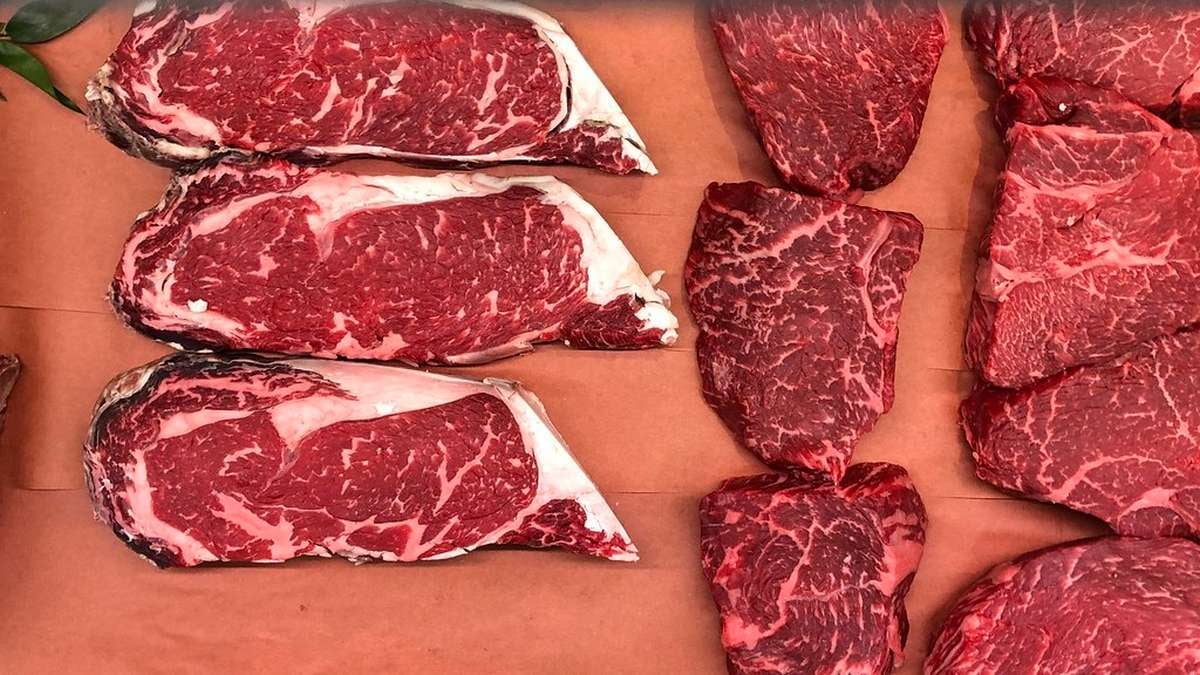
Red meat sugar linked to a 63% higher risk of type 2 diabetes.
Study involved nearly 90,000 adults over 7.2 years.
Findings highlight the need for caution among red meat consumers.
A recent study presented at the European Association for the Study of Diabetes (EASD) annual meeting in Milan indicates that sugar molecules found in red meat are associated with a 63% increased risk of developing type 2 diabetes (T2D). This observational study analyzed data from 89,953 adults, focusing on various factors such as physical activity, diet, and health conditions, to establish this link.
The research, led by Dr. Leopold Fezeu from Université Sorbonne Paris Nord, suggests that chronic inflammation may play a significant role in the relationship between red meat consumption and T2D. The study found that even after adjusting for body mass index (BMI), the association remained significant. Dr. Fezeu noted that higher intakes of the sugar N-glycolylneuraminic acid (Neu5Gc), which is produced by most mammals but not by humans due to a genetic mutation, are correlated with an increased risk of T2D.
Participants in the study, who were free from T2D and cancer at the beginning, provided dietary records that allowed researchers to assess their Neu5Gc intake. The study included various types of red meat, such as beef, lamb, and pork, and also considered processed meats. Over a median follow-up period of 7.2 years, 966 cases of T2D were identified among the participants.
The findings revealed a strong correlation between Neu5Gc consumption and T2D risk, with individuals in the highest quintile of red meat consumption facing a 63% greater likelihood of developing the disease compared to those in the lowest quintile. The average consumption of red meat for the highest quintile was significantly higher, with men consuming 136 grams and women 96 grams daily.
These results underscore the potential health risks associated with regular red meat consumption, particularly in Western diets where red meat is prevalent. Dr. Fezeu emphasized the importance of these findings, suggesting that they warrant further investigation and caution among consumers of red meat.