Gadkari Highlights Electoral Support from Diverse Areas in Nagpur
Union Minister Nitin Gadkari reveals surprising voting trends, noting significant support from both underworld and educated neighborhoods in Nagpur.
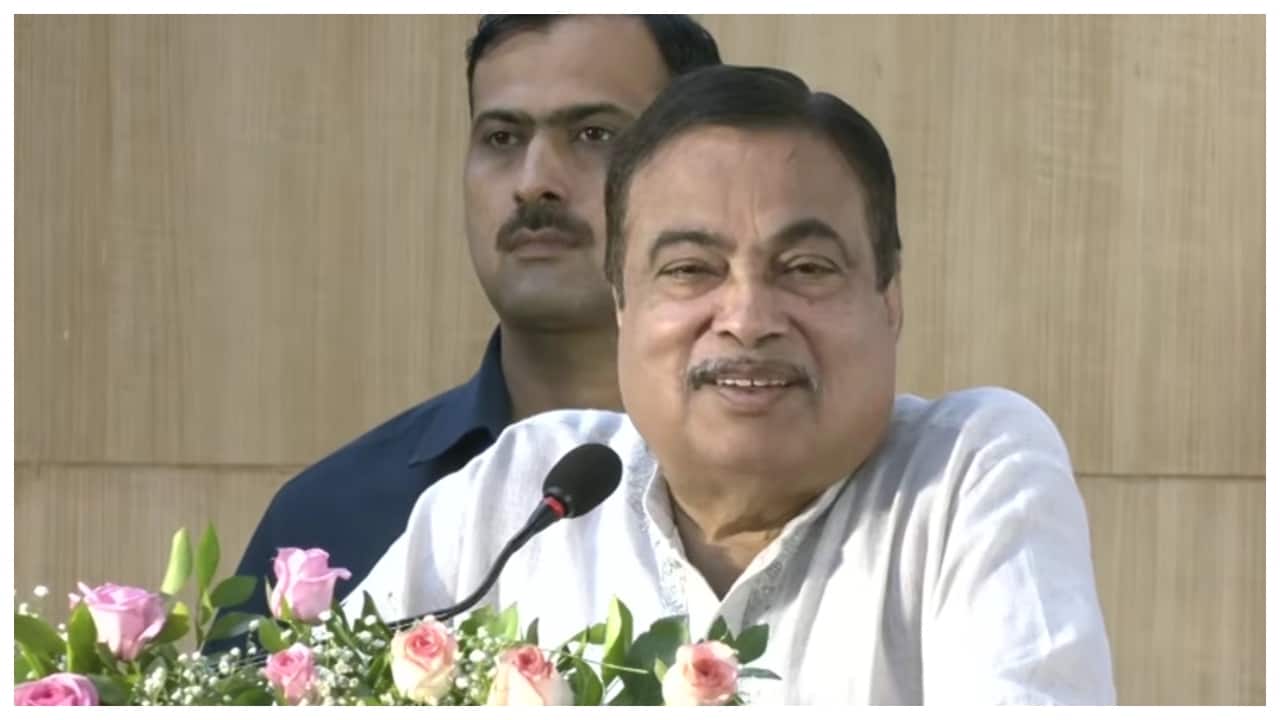
Gadkari received 92% of votes from areas linked to the underworld and red-light districts.
In educated neighborhoods, his vote share was around 70-75%.
He attributes his electoral success to development work rather than close ties with controversial areas.
Union Minister Nitin Gadkari recently shared insights into his electoral support during a media event in Nagpur, revealing a stark contrast in voting patterns. He noted that he garnered an impressive 92% of votes from regions associated with the underworld and red-light districts, while his support in more educated areas was significantly lower, at approximately 70-75%. This revelation has sparked discussions about the dynamics of political support in urban settings.
Gadkari's comments came during the inaugural IIM Nagpur Media Conclave 2026, where he emphasized that his broad appeal across diverse demographics should not be misconstrued as a reflection of his personal relationships with these communities. He clarified that his support stems from his commitment to development and social welfare initiatives, which have allowed him to connect with various segments of society, including those in areas often stigmatized due to their criminal associations.
The Union Minister elaborated on his political journey, stating, "I have done everything in politics. I have done good things and bad things, and I have relationships with people across the spectrum." He stressed that his work, including infrastructure development and social projects, has been pivotal in gaining the trust of voters in both affluent and marginalized neighborhoods. Gadkari underscored the importance of education, calling it the greatest necessity for societal progress.
In reflecting on his political influences, Gadkari expressed admiration for former Prime Minister Atal Bihari Vajpayee and socialist leader George Fernandes, whom he described as iconic figures in his life. He shared a memorable exchange with Fernandes regarding the nature of political divisions, which he learned is inherent to democracy. This insight has shaped his understanding of the complexities of political strategy versus conviction, highlighting the necessity of adapting to win elections.
Looking ahead, Gadkari's remarks may influence future electoral strategies as politicians seek to understand the diverse bases of support within urban constituencies. His emphasis on development work as a bridge between different societal segments could serve as a model for other leaders aiming to connect with a broader electorate in upcoming elections.