R.K. Singh Calls for Unity to Protect Democracy Amid Election Roll Controversy
Former Home Secretary R.K. Singh urges citizens to unite against alleged illegalities in the electoral process, targeting Chief Election Commissioner Gyanesh Kumar.
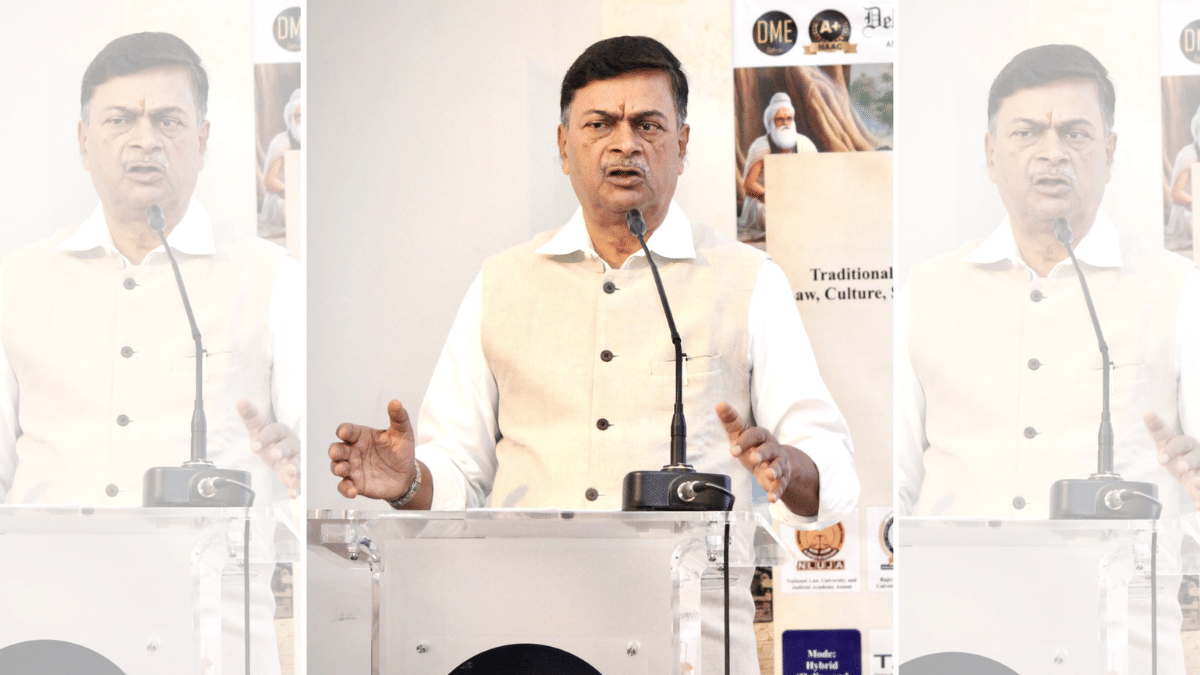
R.K. Singh accuses CEC Gyanesh Kumar of illegalities in the Special Intensive Revision of electoral rolls.
Singh demands a halt to elections until the CEC resigns and calls for a new appointment system.
Over 13 crore voters have been removed from the rolls, raising concerns about the impact on upcoming elections.
In a pointed open letter, former Union Minister and Home Secretary R.K. Singh has urged citizens to come together to safeguard democracy, alleging that Chief Election Commissioner (CEC) Gyanesh Kumar and his superiors are engaging in unlawful practices. Singh's remarks come in the wake of the ongoing Special Intensive Revision (SIR) of electoral rolls, which has sparked significant controversy. He questions whether Kumar acted independently or under directives from higher authorities, emphasizing the need for public awareness and action.
Singh, who served as a BJP MP from 2014 to 2024 and held the position of Minister of Power, has raised alarms about the implications of the SIR. Reports indicate that other Election Commission members have expressed concerns over Kumar's decisions regarding the electoral roll revision process. Singh's letter highlights that approximately 13 crore names have been deleted from the voter rolls, which he argues could significantly influence the outcome of the 2024 elections, given the narrow margin between competing political alliances.
In his communication, Singh criticized the current electoral framework, suggesting that the opposition's attempts to impeach Kumar would be ineffective due to a lack of sufficient support. Instead, he advocates for a collective stance among opposition parties to refrain from participating in elections until the resignation of the CEC and other Election Commissioners. He insists that their successors should be appointed according to a system outlined by the Supreme Court in a 2023 ruling, which proposed a committee-based selection process.
Singh's letter outlines several alleged illegalities committed during the SIR, including the improper deletion of voter names and the failure to adhere to legal protocols regarding electoral roll revisions. He argues that the electoral rolls should remain valid until all appeals against deletions are resolved, and he criticizes the Supreme Court for its endorsement of the SIR process. Singh's concerns extend to the potential disenfranchisement of marginalized voters, who may lack the means to navigate the complexities of the new voter registration requirements.
Looking ahead, Singh's call to action raises critical questions about the integrity of the electoral process in India. As the political landscape evolves, the implications of these allegations could resonate throughout the country, prompting further discussions on electoral reforms and the safeguarding of democratic principles. The situation remains fluid, with upcoming meetings among opposition parties to strategize their response to the ongoing electoral controversies.