Supreme Court Collegium Proposes Three Judges for Elevation
The Supreme Court Collegium has recommended the elevation of Delhi High Court Chief Justice Devendra Kumar Upadhyaya and two others to the Supreme Court.
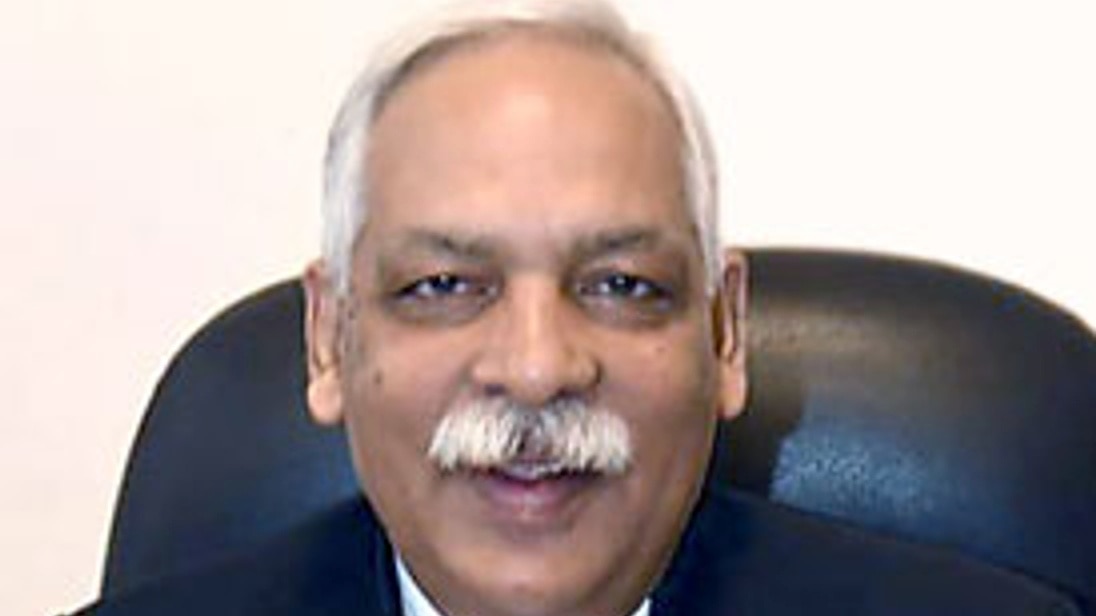
Justice Devendra Kumar Upadhyaya is the second from Lucknow bench to be elevated in 25 years.
The Collegium's recommendations include Gujarat and Telangana High Court Chief Justices.
The formal appointment process will follow established protocols.
The Supreme Court Collegium has put forward the names of three judges for elevation to the Supreme Court, including Justice Devendra Kumar Upadhyaya, the Chief Justice of the Delhi High Court. This significant recommendation was made on Monday, highlighting a notable advancement in Upadhyaya's extensive judicial career, particularly as he is the second legal practitioner from the Lucknow bench to achieve this status in 25 years.
Justice Upadhyaya, born on June 16, 1965, in Muskarai village, Ambedkar Nagar district, Uttar Pradesh, has a rich legal background. He graduated from Lucknow University in 1991 and began his career under the guidance of his father, RA Upadhyaya. His legal practice primarily focused on civil and constitutional matters at the Lucknow bench, where he served for over 11 years before his elevation to the High Court in November 2011.
In addition to Justice Upadhyaya, the Collegium has also recommended Gujarat High Court Chief Justice Sunita Agarwal and Telangana High Court Chief Justice Aparesh Kumar Singh for appointment to the Supreme Court. The Collegium, which includes Chief Justice of India Justice Surya Kant and Justices Vikram Nath, BV Nagarathna, MM Sundresh, and P S Narasimha, has emphasized the importance of these appointments in enhancing the judicial system.
The implications of these recommendations extend beyond individual careers, as they reflect the ongoing evolution of the judiciary in India. With Justice Upadhyaya's elevation, there is hope for a more diverse representation within the Supreme Court, especially from regions that have historically been underrepresented. This move is expected to inspire legal practitioners from similar backgrounds to aspire for higher judicial positions.
The next steps involve the formal processing of these recommendations through the established procedures for Supreme Court appointments. As the legal community awaits confirmation, the focus remains on how these new appointments will influence the Supreme Court's functioning and its approach to justice in India.