Ten Years Since India's Surgical Strikes: A Shift in Military Doctrine
The anniversary of India's surgical strikes marks a significant pivot in its military strategy against Pakistan's nuclear-enabled terrorism.
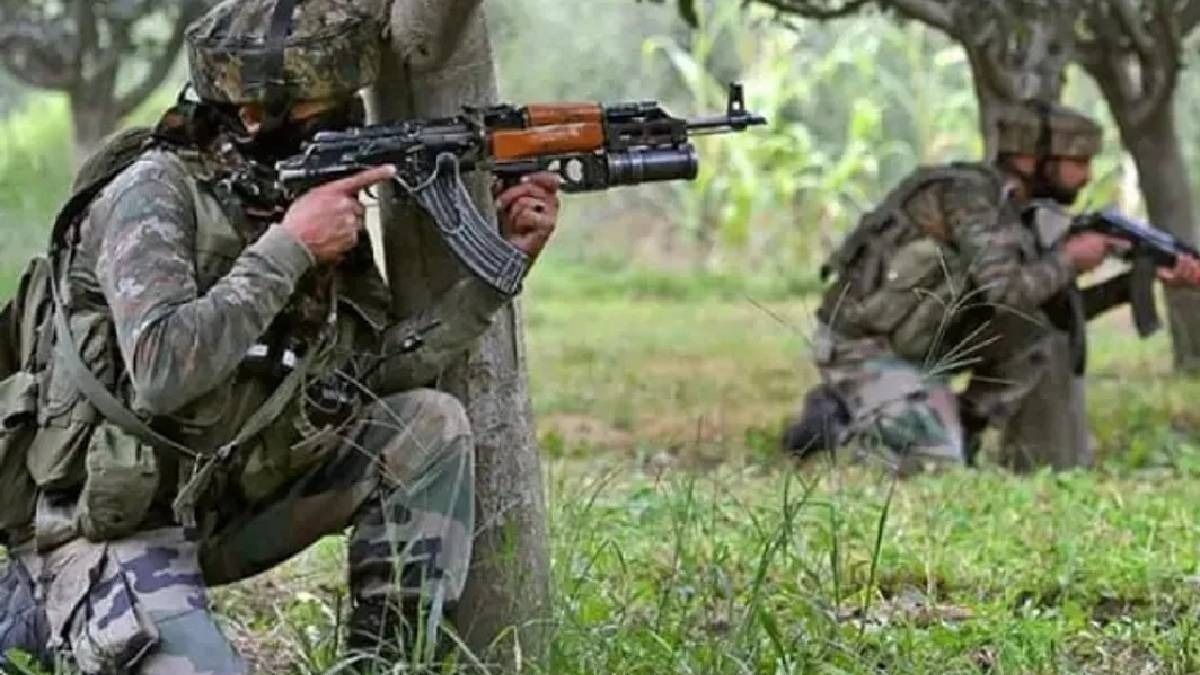
India's surgical strikes on September 28, 2016, were a direct response to the Uri attack that killed 19 soldiers.
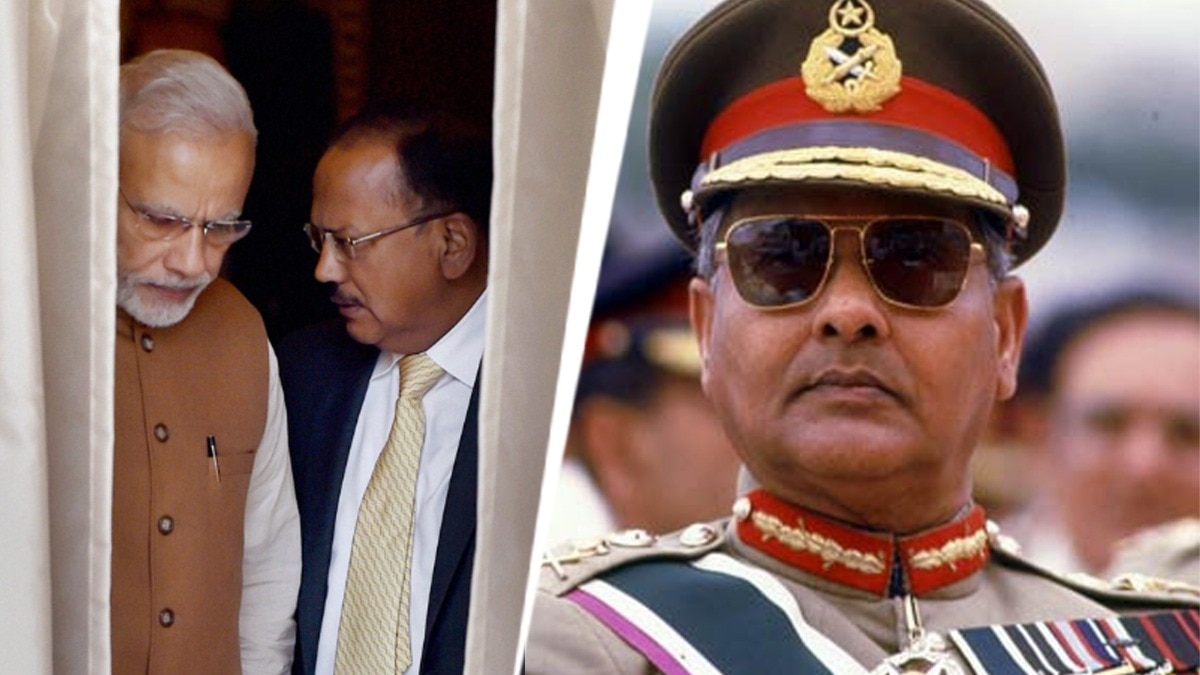
The Modi-Doval doctrine emphasizes decisive military action against terrorism, contrasting with General Beg's nuclear deterrence strategy.
The ongoing conflict has seen an escalation in cross-border retaliatory strikes, reshaping India's defense posture.
On September 28, 2026, India commemorates the tenth anniversary of its surgical strikes across the Line of Control (LoC) in response to the deadly terrorist attack in Uri. The operation, which resulted in significant casualties among terrorist groups in Pakistan-Occupied Kashmir (POK), marked a pivotal moment in India's military strategy, showcasing a shift towards a more assertive stance against cross-border terrorism.
Historically, India has faced numerous provocations from Pakistan, including the infamous Operation Ginger in 2011, where Indian forces retaliated against a Pakistan Army raid that resulted in the deaths of six Indian soldiers. However, the surgical strikes of 2016 were unprecedented as they were publicly acknowledged by Indian military officials, representing a departure from the previous policy of ambiguity surrounding cross-border operations.
The surgical strikes were characterized as counter-terrorist operations, with Indian Army officials confirming their success in inflicting damage on terrorist infrastructure. This marked the first time India openly claimed responsibility for such military actions since the nuclearization of the subcontinent in 1998, indicating a new phase in India's approach to national security. The strikes were not isolated incidents but part of a broader strategy that included subsequent operations like Balakot in 2019 and the recent Operation Sindoor in May 2025.
The implications of these operations extend beyond immediate military gains. They reflect a strategic shift from the previous doctrine, often associated with General Mirza Aslam Beg, which relied on nuclear deterrence to shield Pakistan's support for terrorism. The Modi-Doval doctrine, on the other hand, asserts that India will respond decisively to terrorist attacks, rejecting the notion of nuclear blackmail and emphasizing the need for a robust military response.
Looking ahead, the evolving security landscape suggests that India will continue to adapt its military strategies in response to threats from Pakistan. The government's commitment to a proactive defense posture indicates that future operations may further escalate, as India seeks to establish clear red lines against terrorism. As tensions persist, the focus will remain on maintaining national security while navigating the complexities of regional geopolitics.