Simplifying Coral Protection: A Call for Action
Experts urge for straightforward solutions to combat coral reef decline amidst alarming data on coral cover loss.
Global hard coral cover has decreased by 9.5% since historical levels.
Coral reefs face threats from climate change, pollution, and human activities.
Community-led conservation efforts show promise in restoring damaged reefs.
Recent data from the Global Coral Reef Monitoring Network reveals a concerning decline of 9.5% in global hard coral cover since historical levels, prompting experts to advocate for simpler, more effective solutions for coral protection. Sophie Benbow, marine director at Fauna and Flora, emphasizes the need to move beyond complex jargon and focus on actionable strategies to safeguard these vital ecosystems.
The health of coral reefs is under severe threat due to various factors, including ocean warming, pollution, and coastal development. Studies indicate that corals may face extinction in their current forms within the next 20 to 25 years if current trends continue. The recent findings highlight that human-induced climate change is primarily responsible for this decline, raising urgent questions about the future of coral ecosystems and the marine life that depends on them.
Despite the grim outlook, there is hope as research has identified over 165,000 square kilometers of coral reefs across 71 countries that exhibit resilience to climate change. This discovery is crucial, as coral reefs support at least 25% of marine species and provide essential services such as habitat for fish and protection for coastal communities against extreme weather events. However, the challenge remains in determining how to effectively utilize this information for conservation efforts.
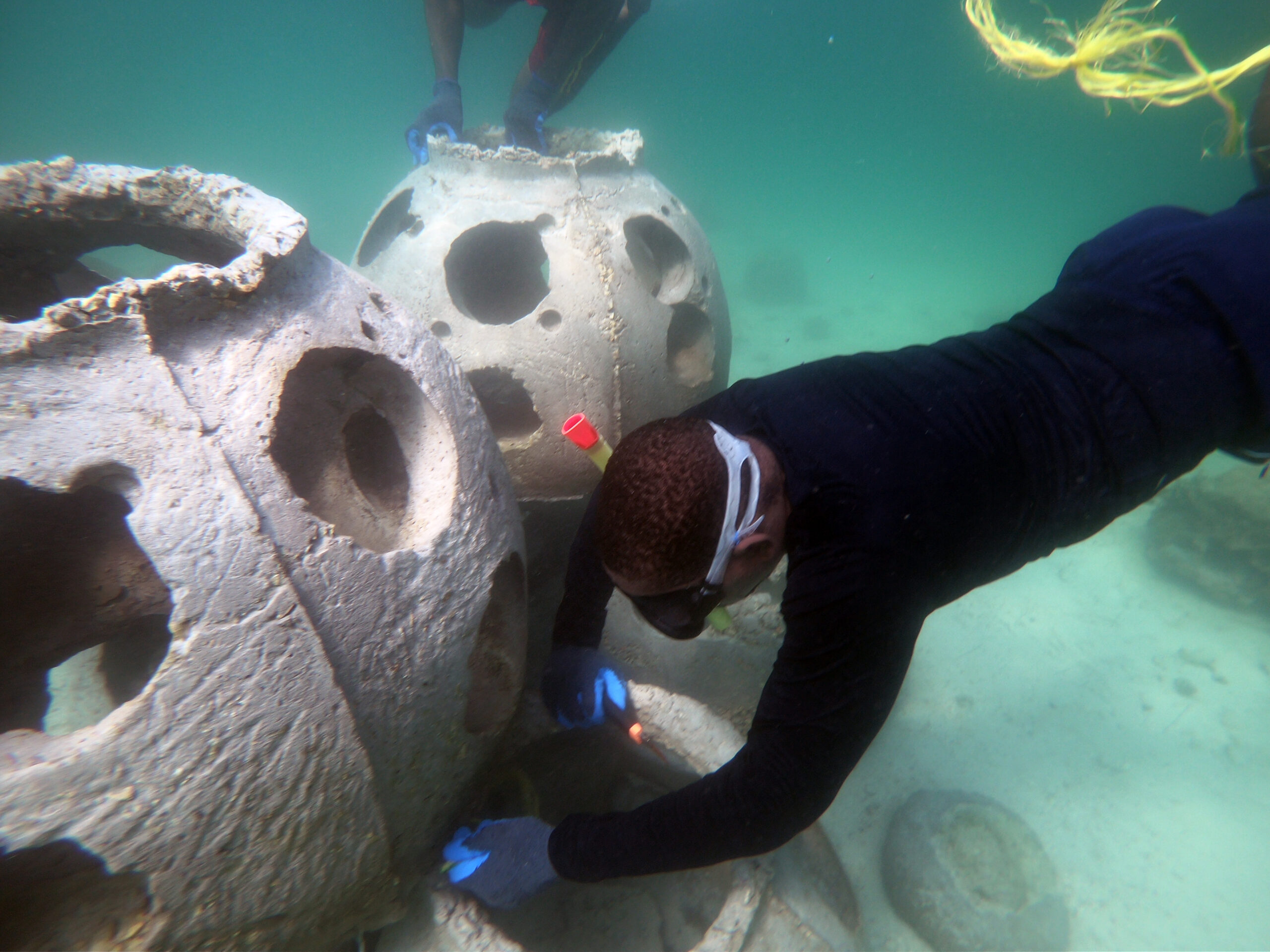
While some propose advanced scientific solutions like genetic engineering of “super” corals, experts caution that flashy approaches may not be the most effective in isolation. Instead, there is a growing consensus that investment should focus on enhancing the protection of existing resilient reefs. Community-led initiatives, such as the deployment of reef balls in Tanzania, have demonstrated success in restoring local coral populations and improving marine biodiversity, showcasing the potential of grassroots conservation efforts.
Looking ahead, it is imperative for governments and conservationists to prioritize sustainable practices that empower local communities to take charge of their marine environments. As climate change continues to pose a significant threat to coral reefs, a collaborative approach that combines innovative solutions with proven methods will be essential in ensuring the survival of these crucial ecosystems and the livelihoods that depend on them.


