New Research Unveils Complexities of AI Image Copyright
MIT scientists reveal how 'attribution decay' challenges perceptions of copyright infringement in AI-generated art.
AI-generated images rely on extensive datasets, raising copyright concerns.
Research shows that removing specific training data may not affect output, complicating infringement claims.
Public sentiment remains skeptical about AI's impact on artists' rights despite scientific findings.
Recent research from the Massachusetts Institute of Technology (MIT) has introduced a concept known as 'attribution decay', which complicates the ongoing debate surrounding copyright infringement in AI-generated images. The study, published in Nature Communications, highlights how the removal of certain data from large training sets does not significantly alter the output of AI-generated art. This finding raises questions about the validity of claims that AI tools infringe on artists' copyrights when they generate images based on extensive datasets.
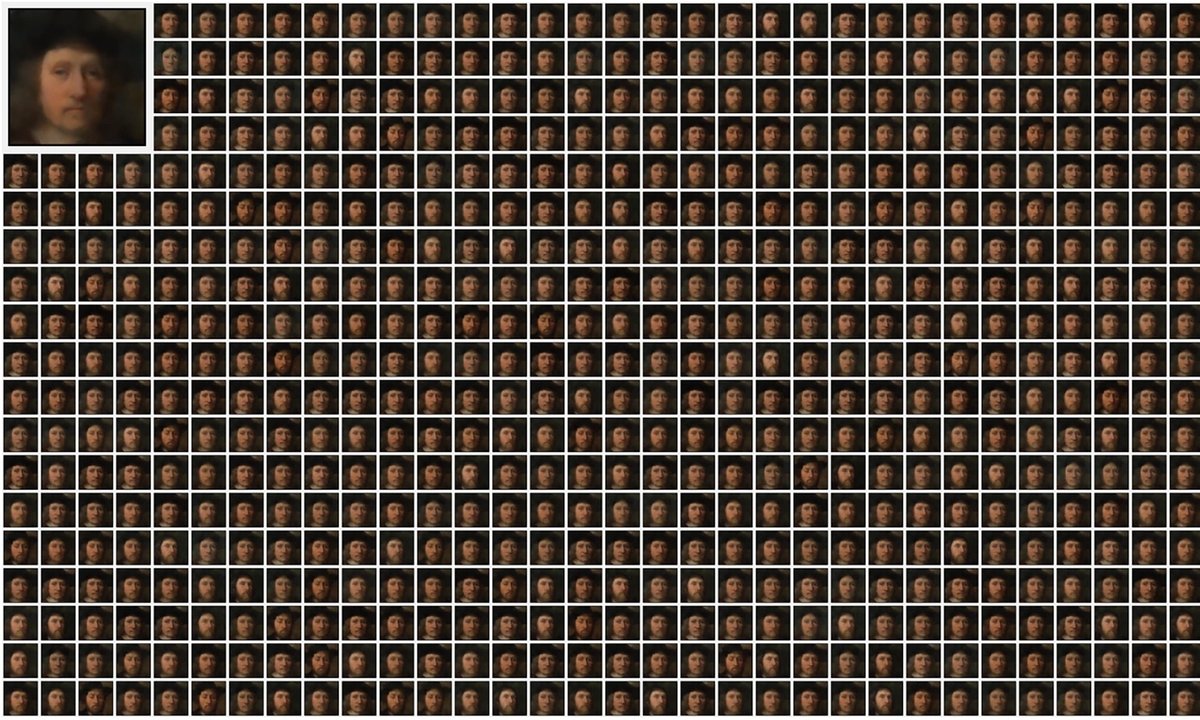
The research, conducted by Zheng Dai and David K. Gifford, suggests that if a copyrighted image is part of the training data but its removal does not change the generated output, then the AI-generated image may not be considered infringing. Dai explains that their method involved taking away specific pieces of training data and regenerating images, demonstrating that the influence of individual data points diminishes in large datasets. This leads to the notion of 'unattributability', where the generated image cannot be directly linked to any specific copyrighted work.
For instance, if an AI tool was trained on a dataset that included David Hockney's iconic painting, A Bigger Splash, and this image was removed, the AI could still produce a similar image due to indirect references present in the dataset. This raises a legal conundrum: if the AI can generate a work reminiscent of a copyrighted piece without directly referencing it, how can copyright infringement be established? Dai notes that while this perspective may seem to favor tech companies, it does not absolve them from accountability regarding how they train their models.
The implications of these findings extend beyond the legal realm, affecting public perception of AI-generated art. Many view AI as infringing on artists' rights, yet the scale of data involved complicates this narrative. The analogy of sandcastles on a beach illustrates the challenge: accusing an AI of copyright violation for using a vast dataset is akin to blaming a stranger for building a sandcastle with sand that may or may not belong to you. However, the distinction between user accountability and company liability remains crucial in discussions about copyright.
Looking ahead, the legal landscape surrounding AI-generated art is likely to evolve as artists and tech companies navigate these complexities. While the research provides a framework for understanding how AI processes data, it does not eliminate the need for ongoing discourse about copyright laws and the rights of creators. As the debate continues, the potential for collective action among artists remains uncertain, yet the necessity for clarity in copyright regulations is more pressing than ever.