Ujjain High Court Upholds Demolition of Shahi Masjid for Road Widening
Tensions rise in Ujjain as the High Court permits the demolition of part of the historic Shahi Masjid for road expansion ahead of Simhastha Kumbh Mela 2028.
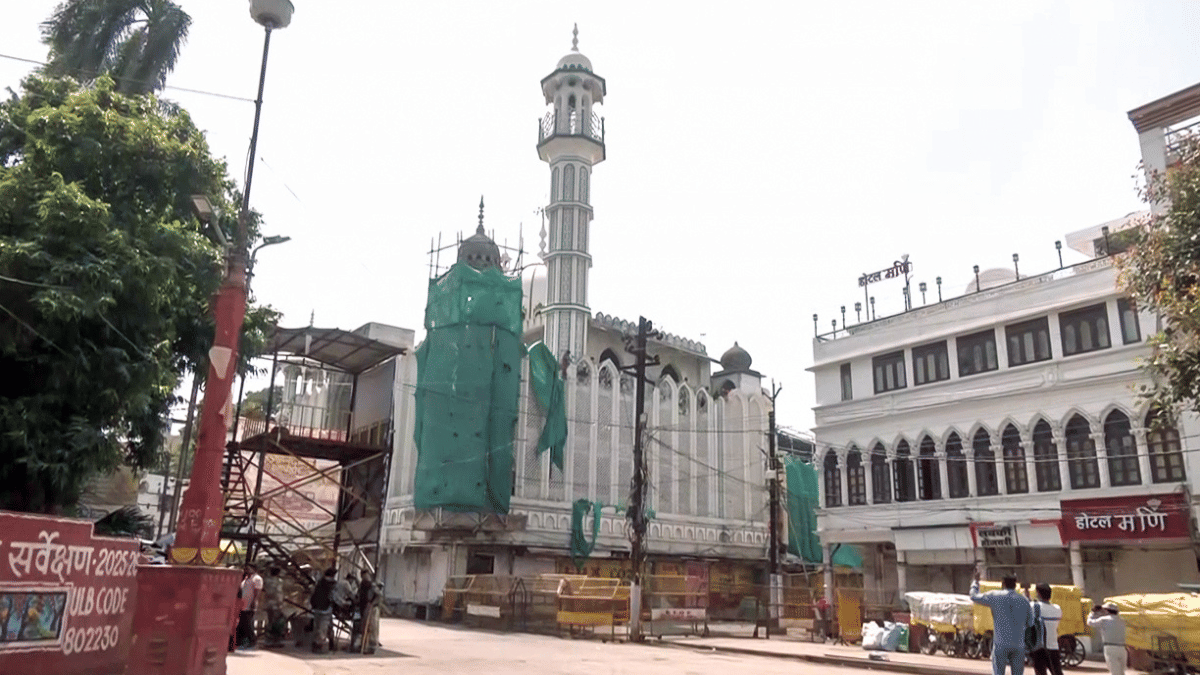
The Madhya Pradesh High Court dismissed a petition against the demolition of Shahi Masjid, citing procedural compliance.
Protests erupted, leading to police intervention and arrests as community members opposed the demolition.
The road-widening project is part of preparations for the significant Simhastha Kumbh Mela scheduled for 2028.
In a significant legal ruling, the Madhya Pradesh High Court has permitted the demolition of a portion of Ujjain's historic Shahi Masjid to facilitate a road-widening project. This decision, made on September 9, comes as part of preparations for the upcoming Simhastha Kumbh Mela in 2028, a major religious event expected to draw large crowds. The Ujjain Municipal Corporation had previously issued notices to the mosque committee, stating that the structure obstructed necessary road improvements.
The controversy began when the Shahi Masjid committee challenged the demolition notices in court, arguing that the mosque was being unfairly targeted. They claimed that the removal would affect significant parts of the mosque, including the prayer hall and a minaret. However, the High Court dismissed their appeal, stating that the municipal corporation had followed the required legal procedures and that the mosque had not been singled out for demolition.
Following the court's decision, tensions escalated in Ujjain as community members gathered to protest against the demolition. Police were deployed to maintain order, leading to clashes that resulted in stone-pelting and the use of tear gas to disperse crowds. Several individuals were arrested, and a case was registered against those accused of inciting violence. Ujjain's Superintendent of Police noted that while many community members supported the road-widening initiative, a small group attempted to disrupt the process.
The implications of this ruling extend beyond the immediate community, as the road-widening project is seen as essential for managing the influx of devotees during the Simhastha Kumbh Mela. The Ujjain administration has emphasized the need for improved infrastructure to accommodate the anticipated large gatherings. The court's decision reflects a broader commitment to public interest, balancing religious heritage with urban development needs.
Looking ahead, the Ujjain Municipal Corporation is expected to proceed with the demolition as planned, while community leaders continue to voice their concerns. The situation remains tense, and further protests may arise as the demolition process unfolds. The local government is urged to engage with community representatives to address grievances and ensure that the road-widening project meets the needs of all stakeholders involved.