Proposed U.S. Diesel Export Ban Could Raise Fuel Prices
Analysts warn that banning diesel exports may lead to higher fuel costs for American consumers.
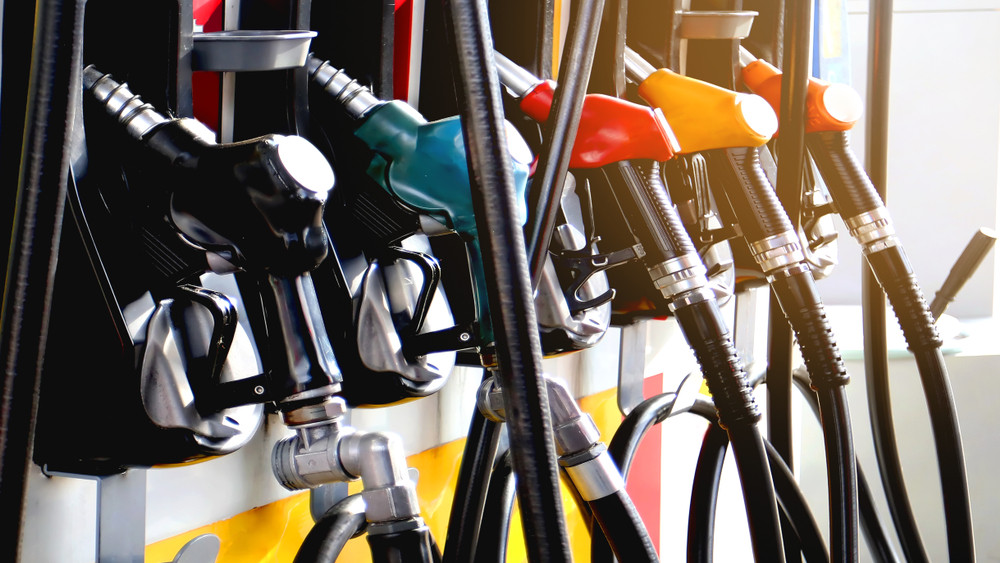
U.S. diesel prices recently reached over $6.50 per gallon.
A proposed export ban could lead to increased gasoline prices.
Limited global refining capacity may exacerbate the situation.
The ongoing discussions regarding a potential ban on U.S. diesel fuel exports have raised concerns among analysts about the unintended consequences of such a move. With diesel prices in the U.S. surging to over $6.50 per gallon, lawmakers are considering this measure to alleviate pressure on consumers. However, experts warn that this could lead to higher overall fuel prices as domestic refineries may be forced to cut production due to storage constraints.
Historically, the U.S. has been a significant exporter of diesel, particularly to Europe, where demand has been high. The recent spike in diesel prices has prompted legislators to propose a temporary export ban, with President Trump indicating support for the initiative. Yet, Energy Secretary Chris Wright cautioned that such a ban could backfire, resulting in reduced refinery operations and ultimately driving up gasoline and jet fuel prices.
According to Wood Mackenzie, a leading energy consultancy, implementing a 90-day ban on diesel exports could redirect approximately 700,000 barrels of fuel into storage, quickly filling available capacity. This would necessitate a reduction in refinery runs by about 2 million barrels per day, adversely affecting gasoline production. The consultancy also noted that while higher crude exports could theoretically lower crude prices, limited refining capacity outside the U.S. complicates this scenario.
The implications of a diesel export ban extend beyond immediate pricing concerns. Analysts suggest that such a policy could inadvertently increase costs for American consumers, as it shifts the burden from diesel to gasoline. With China being the only country with significant spare refining capacity, the global market dynamics could further complicate the situation, especially if China opts not to fill the gap left by U.S. refiners.
Looking ahead, the discussions surrounding the diesel export ban are likely to continue, with potential impacts on both domestic and global fuel markets. As U.S. crude oil prices remain under pressure, the interplay between refining capacity, export policies, and global demand will be critical in shaping future fuel price trends.