Dengue Vaccine Effectiveness: Insights from Recent Trials
Recent reviews highlight the complexities of dengue vaccine efficacy, emphasizing the role of prior infections and serotype variations.
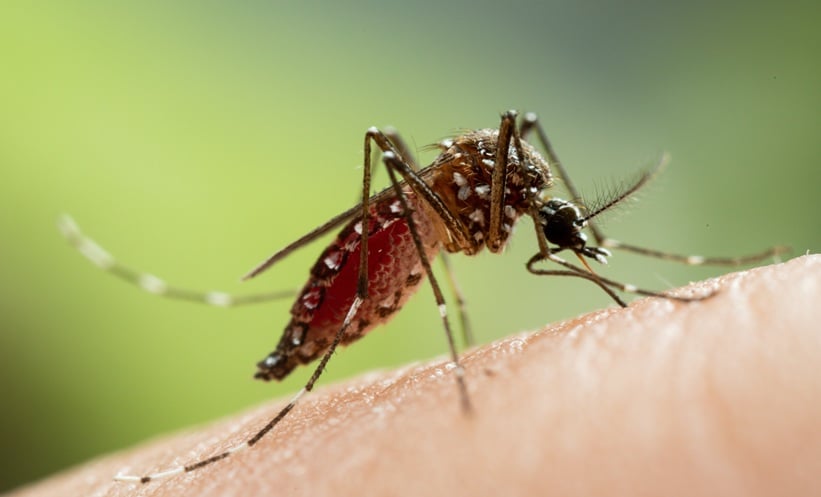
Dengue vaccines can significantly reduce illness and hospitalization rates.
Prior dengue infection influences vaccine effectiveness and safety.
Ongoing monitoring and mosquito control are essential for public health.
Recent evaluations of dengue vaccines indicate that while they can effectively reduce the incidence of illness and hospitalizations, the effectiveness is heavily influenced by prior infections and the specific serotype of the virus. A comprehensive review of clinical trials and regulatory data underscores the importance of understanding local transmission patterns and baseline exposure to the virus when selecting vaccines.
The relevance of dengue vaccination is expanding beyond traditionally endemic areas, particularly as Aedes mosquito populations grow in new regions, including parts of the United States where local dengue cases have been reported. For healthcare providers, understanding a patient’s travel history remains crucial, but it is also important to recognize that local transmission can occur even in those without recent travel.
The complexity of dengue vaccination is further complicated by the existence of four distinct serotypes of the virus. Immunity gained from infection with one serotype does not provide adequate protection against the others, which can lead to more severe disease upon subsequent infections. This concern has influenced the deployment of CYD-TDV, the first dengue vaccine, which is recommended only for individuals with a documented history of prior dengue infection due to increased risks associated with vaccination in those without prior exposure.
In clinical trials, such as a Phase III study involving over 20,000 children, the TAK-003 vaccine demonstrated a 73.3% effectiveness rate against confirmed dengue cases and 80.2% against related hospitalizations within the first year. However, this protection varied over time and was less certain for individuals without previous dengue infections. Another trial in Brazil reported a 79.6% effectiveness rate for the Butantan-DV vaccine over two years, primarily during periods when specific serotypes were prevalent.
The review advocates for a strategic approach to dengue vaccination, particularly in areas with sustained transmission and severe disease burden. In regions with sporadic outbreaks, a more selective vaccination strategy is recommended, taking into account individual exposure history and vaccine availability. The findings emphasize that vaccination efforts should be complemented by robust mosquito control measures, ongoing disease surveillance, and continuous evaluation of vaccine safety and efficacy.