Understanding Heart Disease Risks in Your 30s and 40s
Experts emphasize the importance of recognizing early heart disease symptoms and understanding risk factors in younger populations.
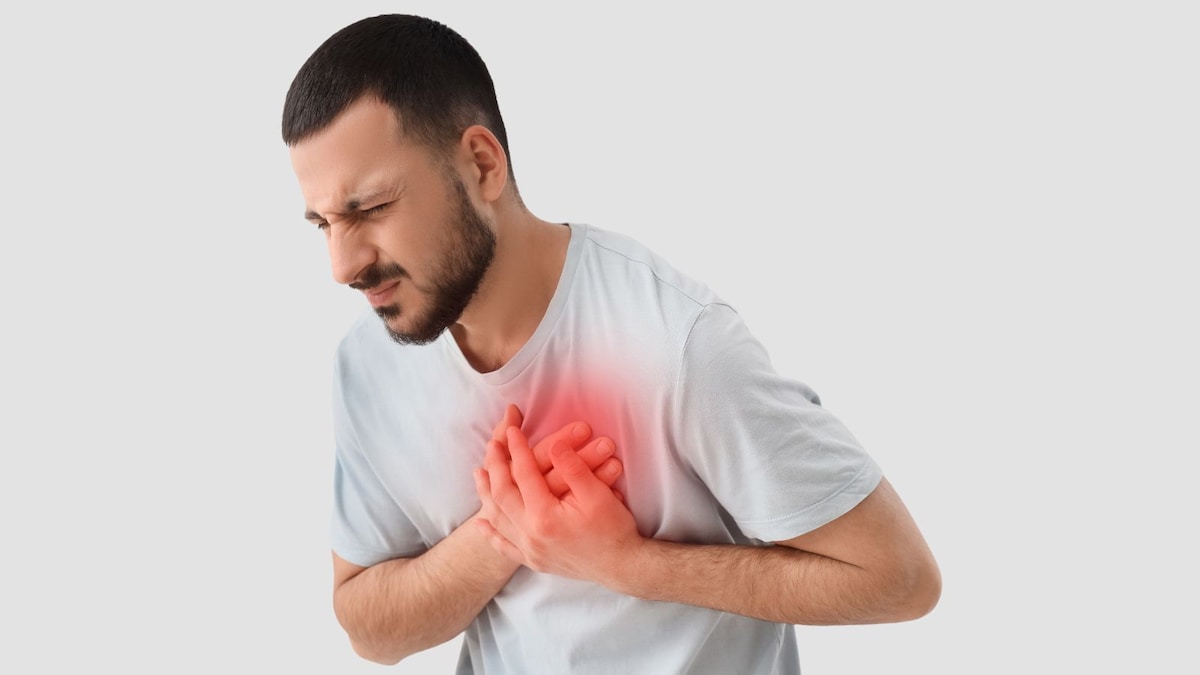
Common symptoms of heart disease include unusual fatigue and breathlessness.
Risk factors such as obesity, diabetes, and family history are critical for early detection.
Routine heart checks should begin around age 25 to identify potential issues early.
Heart disease is increasingly being diagnosed in individuals in their 30s and 40s, often presenting with subtle symptoms rather than dramatic events like heart attacks. Experts warn that signs such as chest heaviness, breathlessness during everyday activities, or unusual fatigue can be mistaken for less serious conditions like acidity or stress. Recognizing these early warning signs is crucial for timely medical intervention.
Dr. Ajit Menon, Director of Cardiac Sciences at Sir H. N. Reliance Foundation Hospital, along with his colleagues, highlighted the importance of understanding personal risk factors for heart disease. Conditions such as diabetes, hypertension, smoking, and obesity significantly increase the likelihood of developing coronary artery disease, which is characterized by the blockage of arteries due to fat and cholesterol deposits. The experts stress that symptoms can vary widely and may not always present as severe pain, making awareness essential.
Individuals should be vigilant for changes in their exercise tolerance. For instance, someone who previously engaged in regular running may find themselves breathless after a short walk, a change that should not be ignored. Symptoms can also manifest at night, such as chest discomfort that improves upon sitting up. Misinterpretation of these symptoms can lead to delays in seeking medical help, which can be detrimental.
The experts recommend that anyone experiencing potential heart-related symptoms should seek medical evaluation promptly. Dr. Aashish Contractor emphasized the importance of not dismissing symptoms and suggested that individuals with a family history of heart disease should be particularly proactive about monitoring their heart health. Routine screenings beginning around the age of 25 can help identify risk factors early, potentially preventing serious complications later in life.
As heart disease becomes more prevalent among younger populations, understanding the risk factors and recognizing symptoms is vital. The doctors advocate for increased awareness and education regarding heart health, particularly among those with lifestyle factors that may contribute to cardiovascular issues. Future developments in heart health monitoring and treatment options will be crucial in addressing this growing concern among younger adults.