Exploring Medieval Perspectives on Mental Health
An examination of how medieval society understood mental health and emotional well-being.
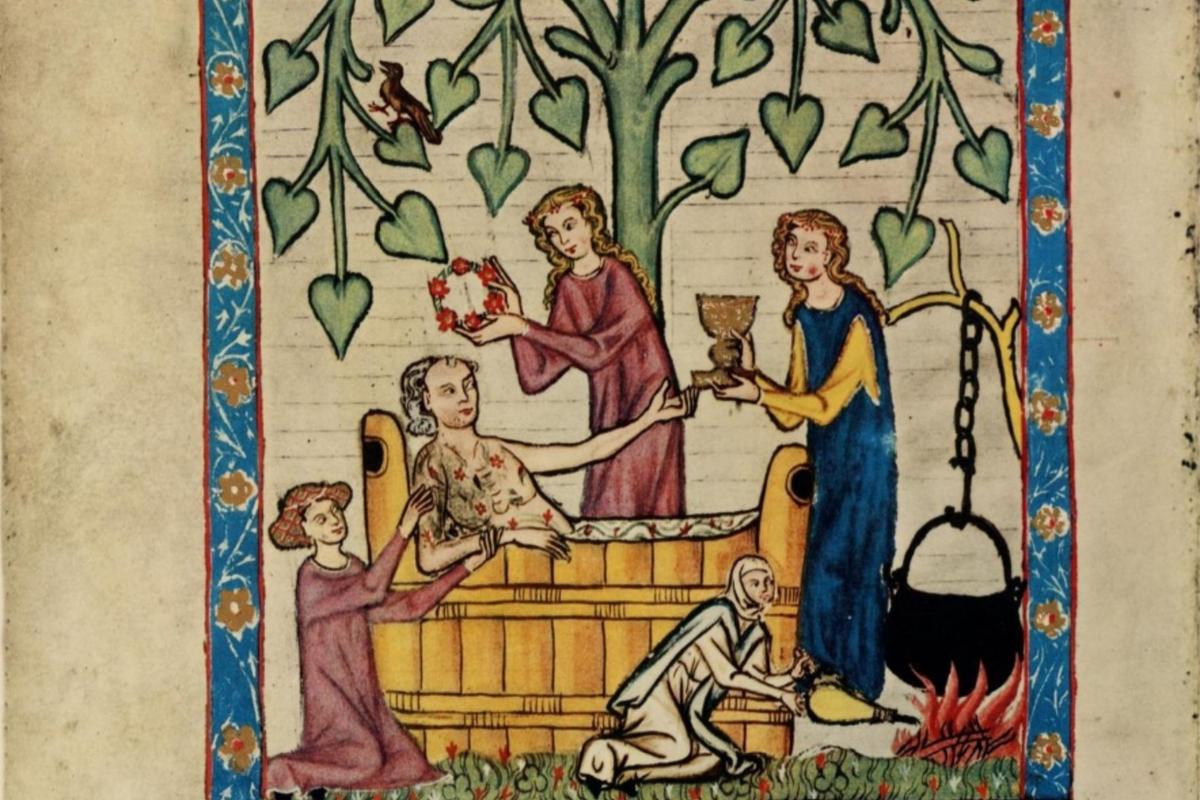
Medieval attitudes towards mental illness were complex, blending superstition with emerging medical insights.
Emotions were recognized as critical to health, with advice on managing feelings prevalent in medical texts.
Historical figures, including monks and merchants, experienced mental health struggles similar to those seen today.
In the late 12th century, Bishop Hugh of Lincoln encountered a man in Cheshunt, Hertfordshire, who was believed to be possessed. The local community, convinced of the man's demonic affliction, sought the bishop's intervention. Upon witnessing the man's distressing state, Hugh performed an exorcism, which was thought to restore him to health. This incident highlights the medieval perspective on mental illness, characterized by fear and superstition, and raises questions about the effectiveness of contemporary medical practices of the time.
However, a deeper exploration of medieval texts reveals a more nuanced understanding of mental health. Contrary to the assumption that medieval individuals lacked compassion for mental illness, many writings from this era reflect a sophisticated awareness of the connection between emotional well-being and physical health. The humoral theory prevalent during this time posited that maintaining a balance of bodily fluids was essential for health, with emotions playing a significant role in this balance.
Medical writings from the period emphasized the importance of emotional regulation. Physicians like Juan de Aviñón and Arnold von Bamberg warned that negative emotions could lead to physical ailments, advocating for emotional control as a means of preserving health. Historical accounts illustrate that individuals often attributed their physical illnesses to emotional distress, suggesting a recognition of the mind-body connection that resonates with modern understandings of mental health.
The implications of these medieval insights extend beyond historical curiosity; they reflect a societal acknowledgment of the impact of stress and emotional turmoil on health. High-status individuals, particularly, were seen as vulnerable to the detrimental effects of responsibility and anxiety. Monks, often perceived as living a serene life, frequently reported feeling overwhelmed by their duties, leading to physical and mental health issues.
Looking ahead, the exploration of medieval attitudes toward mental health can inform contemporary discussions about emotional well-being. As society continues to grapple with mental health challenges, understanding historical perspectives may provide valuable insights into the evolution of mental health treatment and the ongoing importance of emotional care in fostering overall health.