A Decade of Surgical Strikes: Evolution of India's Counter-Terrorism Strategy
Ten years after the Uri attack, India's military response to terrorism linked to Pakistan has significantly transformed.
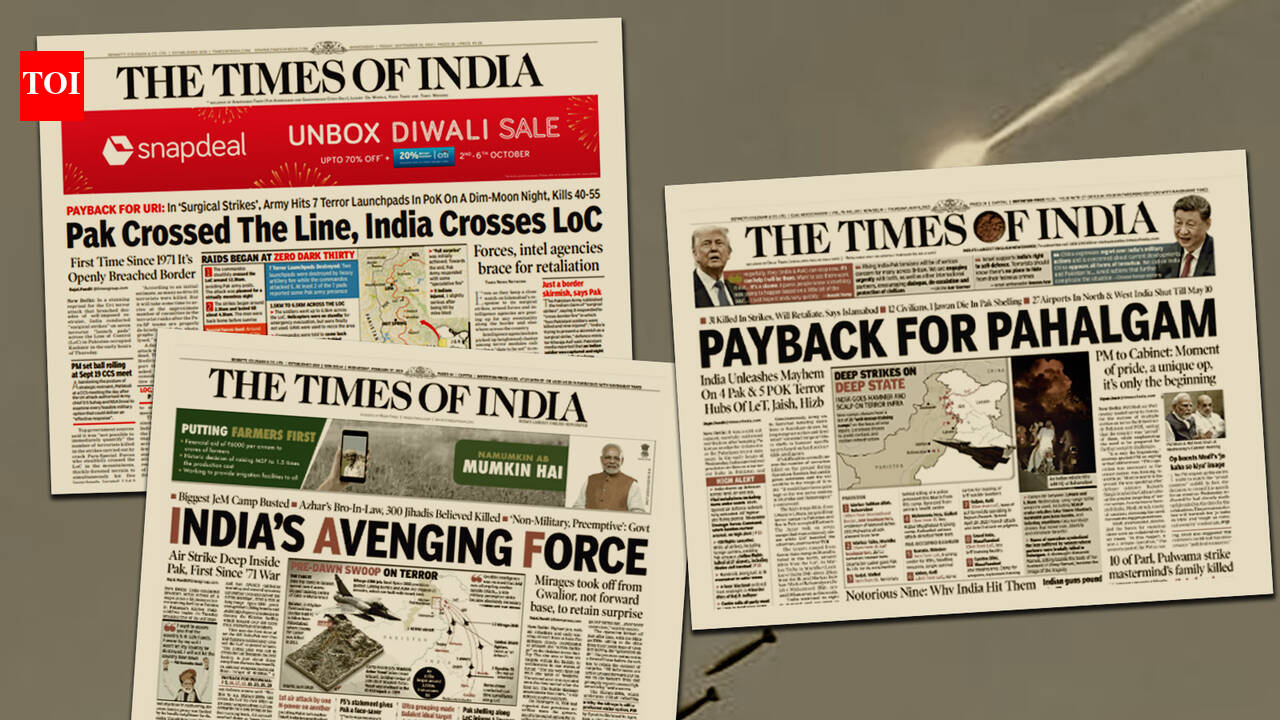
Surgical strikes have evolved into a broader strategy against terrorism.
Prime Minister Modi emphasizes a decisive response to Pakistan's actions.
Recent operations illustrate India's commitment to counter-terrorism.
On September 28, 2026, India marked ten years since the Uri attack, a pivotal moment that led to the adoption of surgical strikes as a key component of its counter-terrorism strategy. Over the past decade, these operations have transformed from specific military actions into a comprehensive approach aimed at addressing the challenges posed by terrorism linked to Pakistan. Prime Minister Narendra Modi's recent statements underscore this evolution, highlighting a shift in India's military doctrine that no longer tolerates unaddressed provocations.
The surgical strikes initiated in 2016 were a response to escalating tensions and attacks attributed to Pakistan-based terrorist groups. Following these strikes, India conducted significant operations, including the Balakot airstrike and Operation Sindoor, which showcased a new level of military assertiveness. These actions were not merely retaliatory; they represented a strategic shift in how India perceives and responds to threats from across its borders.
Official statements from the Indian government emphasize that the era of passive responses to Pakistan's alleged sponsorship of terrorism is over. The Modi administration has made it clear that any terrorist attack will elicit a strong and calculated response, aiming to deter future threats. This approach reflects a broader understanding of the need for integrated military operations that utilize advanced technology and intelligence to identify and neutralize targets effectively.
The implications of this evolved strategy extend beyond military operations. It has significant ramifications for regional security dynamics, particularly in South Asia. By adopting a more proactive stance, India aims to bolster its deterrence capabilities, thereby influencing the behavior of neighboring countries. This shift could also reshape alliances and partnerships as India seeks to strengthen its position against terrorism and enhance its national security framework.
Looking ahead, the Indian government is expected to continue refining its counter-terrorism strategies. Upcoming military exercises and collaborations with international partners may further enhance India's operational capabilities. As the geopolitical landscape evolves, India’s commitment to a robust response against terrorism will likely remain a cornerstone of its defense policy, ensuring that it is prepared for any future challenges.