Meta Unveils AI-Powered VR Glasses Amid Privacy Controversies
Meta introduces new virtual reality glasses priced at $1,299, aiming to compete with Apple while addressing privacy concerns.
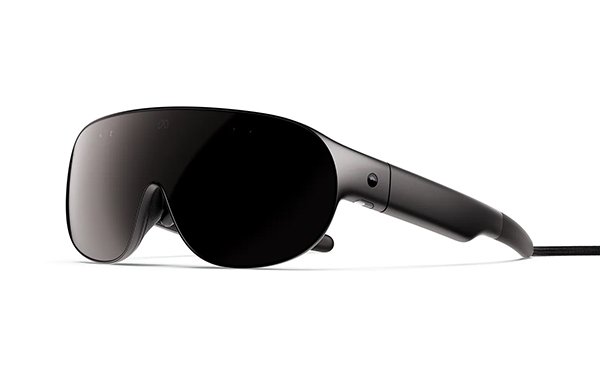
Meta's new VR glasses weigh 100 grams and feature a Snapdragon processor.
The glasses will launch with 75 built-in games and a focus on gaming experiences.
Ongoing lawsuits highlight privacy issues related to Meta's previous smart glasses.
Meta has announced the launch of its new AI-powered virtual reality glasses, set to debut in spring 2027, during the Connect developer conference. These glasses are designed to compete with similar products from rivals like Apple, featuring a lightweight design at just 100 grams, significantly lighter than previous models. CEO Mark Zuckerberg emphasized that the glasses will be more affordable, priced at $1,299 compared to Apple's Vision Pro, which retails at $3,699.
The new VR glasses are equipped with a Snapdragon Reality Elite processor, 128GB of storage, and 12GB of RAM, allowing for an impressive three hours of media playback on what Meta calls an “Infinite Display.” The device includes two cameras for color passthrough, enabling users to remain aware of their surroundings while immersed in virtual experiences. Hand gestures and eye-tracking technology will facilitate user control, enhancing the interactive experience.
Meta aims to attract the gaming community with this launch, including 75 built-in games and access to the Quest app catalog. This comes after the company’s previous gaming platform, Horizon Worlds, struggled to gain traction among users. The integration of the Muse AI-agent will allow users to interact with the glasses using voice commands, showcasing Meta's commitment to enhancing its AI capabilities across its product line.
However, the introduction of these new wearables comes amid significant backlash against Meta's earlier smart glasses, which have faced criticism for privacy violations. Over 70 users have filed lawsuits alleging that the glasses captured private moments without consent, leading to their ban in various jurisdictions, including courthouses in New York and the UK. In response to these concerns, Meta has announced a new Private Processing approach for its AI, aimed at safeguarding user data by processing it within confidential virtual environments.
As Meta prepares for the launch of its VR glasses, the company is also working on future iterations of its full VR headset and augmented reality glasses. The upcoming product release will be closely watched, as it may influence public perception and the company's reputation in the wearables market, especially in light of ongoing legal challenges and privacy concerns.