Delhi Implements Comprehensive Winter Pollution Control Measures
The Delhi government has announced a series of measures to combat winter pollution, including a construction ban and doubled parking fees.
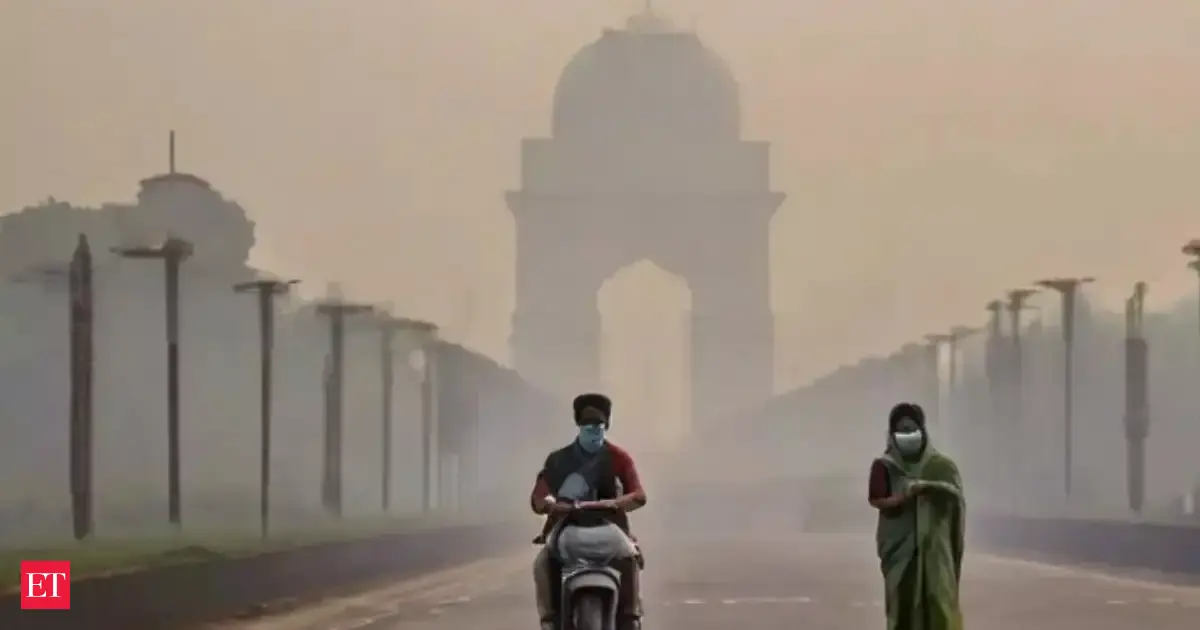
Construction and demolition activities banned from November 1 to January 20, 2027.
Parking charges will double starting November 1 to discourage private vehicle use.
Work-from-home policy implemented for 50% of government and private sector employees.
In a decisive move to address the escalating pollution crisis, the Delhi government has unveiled a comprehensive set of measures aimed at curbing air quality deterioration during the winter months. Announced on Monday, these initiatives include a complete ban on construction and demolition activities, effective from November 1, 2026, until January 20, 2027, alongside significant changes in parking fees and office timings for government employees.
The measures were introduced following a high-level meeting chaired by Union Environment Minister Bhupender Yadav and Delhi Chief Minister Rekha Gupta, where pollution control strategies were discussed. The government aims to implement these restrictions as part of a broader effort to improve air quality in the national capital, which has been identified as the most polluted region in India.
Key decisions from the meeting include the doubling of parking charges at authorized sites, set to take effect on November 1, 2026. This increase is intended to discourage the use of private vehicles, with the exception of parking managed by the Delhi Metro Rail Corporation. Additionally, office hours for government employees will be staggered, with Municipal Corporation of Delhi offices operating from 8:30 AM to 5:00 PM and other government offices from 10:00 AM to 6:30 PM. Furthermore, a work-from-home policy will be enforced, requiring 50% of staff in both government and private sectors to work remotely.
In conjunction with these measures, the Delhi government will also initiate an enforcement drive against vehicles lacking valid Pollution Under Control (PUC) certificates starting October 1. Vehicles found without valid certificates may incur fines of up to ₹10,000. Chief Minister Gupta emphasized the importance of clean air for all residents and highlighted ongoing efforts to enhance the effectiveness of PUC centers in the city.
The implications of these measures extend beyond immediate pollution control; they reflect a growing recognition of the public health crisis posed by air pollution in Delhi. The city has recorded alarming levels of PM2.5, significantly exceeding both national and WHO guidelines. This situation necessitates urgent action to safeguard public health and improve air quality.
Looking ahead, the Delhi government is expected to monitor the effectiveness of these measures closely and may implement further restrictions if pollution levels do not improve. The upcoming winter months will be crucial in determining the success of these initiatives in reducing air pollution and protecting the health of Delhi's residents.