Iran Declines US Talks Amid Seven Conditions for Hormuz
Iran's delegation to the UN General Assembly has ruled out negotiations with the US, citing seven conditions for reopening the Strait of Hormuz.
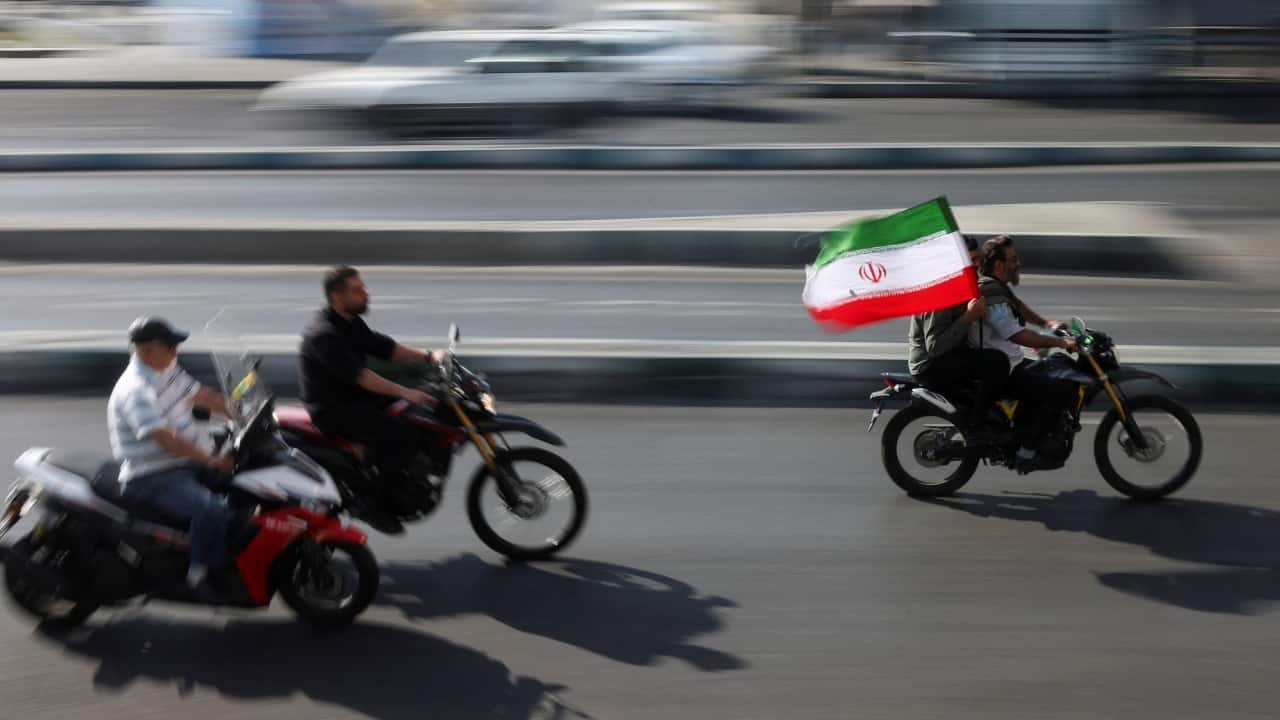
Iran's delegation confirmed no negotiations with the US are planned.
Tehran has set seven conditions for ending hostilities and reopening the strategic Strait of Hormuz.
US President Trump has rejected Iran's demands, complicating potential diplomatic efforts.
Iran's delegation attending the UN General Assembly has announced that it will not engage in talks with the United States, despite expectations from US President Donald Trump for renewed negotiations. This announcement was made by the official IRNA news agency, which cited an unnamed source close to the Iranian delegation. The delegation is scheduled to return to Tehran on Tuesday, indicating a firm stance against any discussions with the US.
The backdrop to this development lies in the ongoing conflict that escalated following US-Israeli strikes on Iran earlier this year. The Strait of Hormuz, a vital waterway through which approximately 20% of the world's oil and gas passes, has become a focal point of tension. Iran has outlined seven specific conditions that it claims must be met to cease hostilities and allow for the reopening of this strategic passage.
Among the demands presented by Iran are a seven-day ceasefire across the Middle East, the unfreezing of Iranian foreign assets, lifting sanctions on its oil sector, and an end to the US naval blockade. These conditions were communicated to the US through a mediator from Qatar. However, President Trump has publicly dismissed these demands, asserting that they are unacceptable and complicating the prospect of any diplomatic resolution.
The implications of this standoff are significant, not only for Iran and the US but also for global oil markets and regional stability. The Strait of Hormuz has been a critical chokepoint for oil transportation, and any disruption could have far-reaching consequences for energy prices and supply chains. The situation remains tense, with the US having not conducted strikes against Iran since early September, although incidents involving vessels in the strait continue to occur.
Looking ahead, the possibility of indirect talks mediated by Qatar remains on the table, but the lack of direct communication and the firm positions taken by both sides suggest that a resolution may not be imminent. As the Iranian delegation prepares to return home, the international community will be closely monitoring developments in this ongoing conflict.