Khamenei Claims US Will Retreat from Middle East After Setbacks
Iran's supreme leader asserts that the US will be forced to exit the region following significant losses.
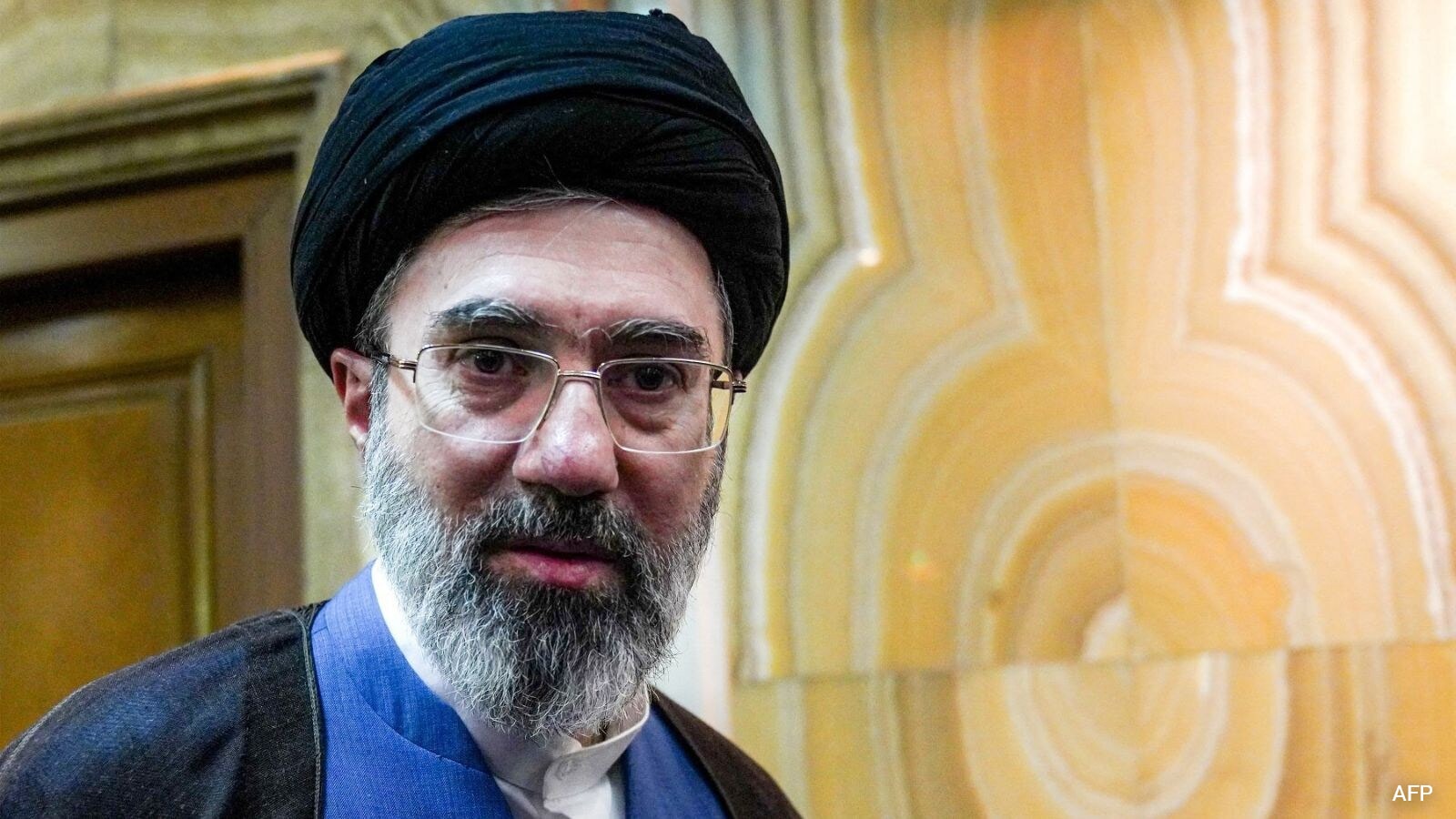
Mojtaba Khamenei states the US has faced 'painful blows' in the Middle East.
He emphasizes that US presence in the Arabian Sea has only led to self-harm.
The ongoing conflict has escalated tensions over the strategic Strait of Hormuz.
In a recent statement broadcasted by state television, Iran's supreme leader Mojtaba Khamenei declared that the United States will ultimately have to withdraw from the Middle East due to the 'painful blows' it has suffered. Khamenei's comments come amid ongoing conflicts in the region, which have intensified since the outbreak of war in late February, following US-Israeli military actions against Iran.
Khamenei, who has not made a public appearance since the onset of the conflict, asserted that the US and its allies have been deterred from venturing beyond the Arabian Sea, a crucial maritime route that connects to Iran's coastline and the strategic Strait of Hormuz. He noted that any attempts by the US to assert its presence have resulted in detrimental consequences for them, stating, "Whenever they have braved this risk, they have only brought harm upon themselves."
The Strait of Hormuz is a vital corridor for global oil and gas shipments, accounting for approximately 20% of the world's supply before the war began. Since the conflict erupted, Iran has implemented a blockade on this critical route, prompting the US to respond with its own restrictions on Iranian ports. This tit-for-tat escalation has heightened tensions between the two nations, with both sides vying for control over this strategic waterway.
Khamenei's remarks reflect Iran's ongoing strategy to assert its influence in the region while challenging US presence. The implications of these statements are significant, as they signal Iran's commitment to resisting US actions and maintaining control over the Strait of Hormuz. The situation remains volatile, with potential repercussions for global oil markets and regional stability.
Looking ahead, the future of US-Iran relations remains uncertain as both nations continue to navigate the complexities of the ongoing conflict. Diplomatic efforts to de-escalate tensions have been sporadic, and the potential for further military confrontations looms large, particularly in the context of the strategic interests surrounding the Arabian Sea and the Strait of Hormuz.