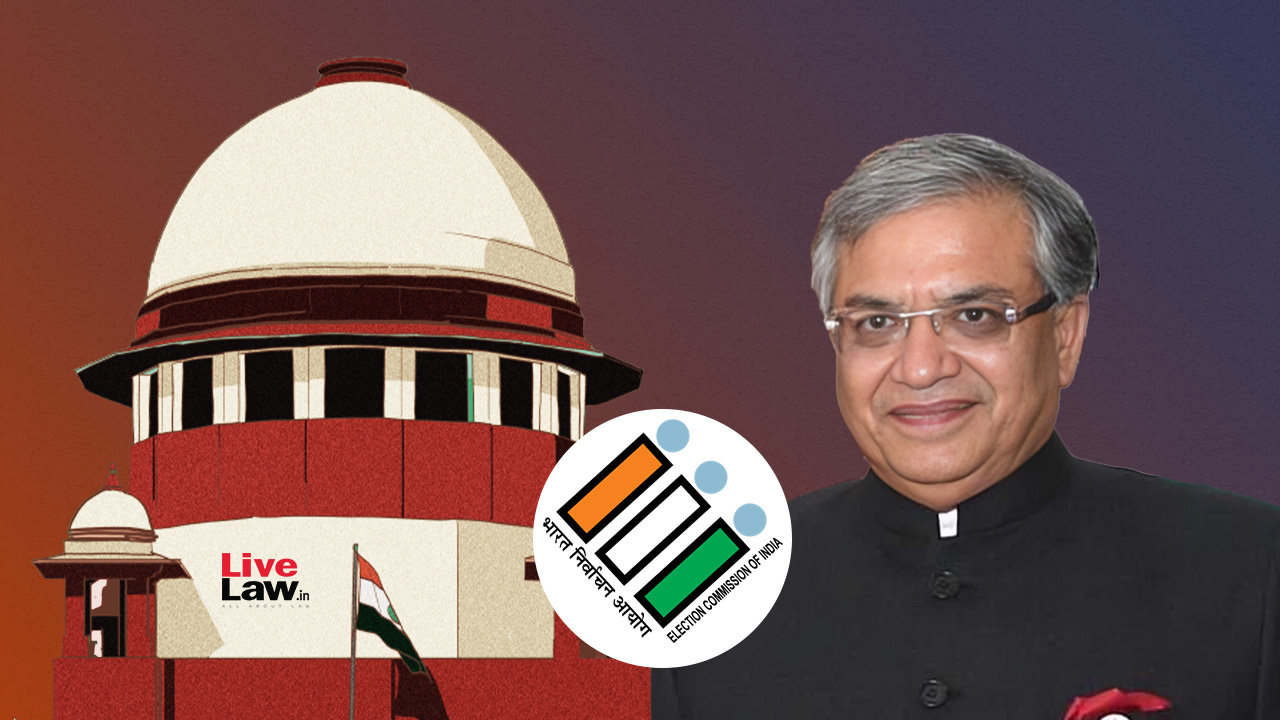
Supreme Court Petition Seeks Suspension of CEC Gyanesh Kumar
A petition filed in the Supreme Court demands the suspension of Chief Election Commissioner Gyanesh Kumar and challenges unilateral decisions made by the Election Commission.
The petition alleges 14 decisions were made without the consent of two Election Commissioners.
It calls for a judicial inquiry and the suspension of Gyanesh Kumar pending the outcome.
The petitioner emphasizes the need for collective decision-making as mandated by the Constitution.
A significant legal challenge has emerged in the Supreme Court, where a petition has been filed seeking the suspension of Chief Election Commissioner Gyanesh Kumar. The petition argues that Kumar has acted unilaterally in making decisions on behalf of the Election Commission of India (ECI), which should require collective agreement from all commissioners. The case highlights concerns over 14 contentious decisions allegedly made without the approval of two other Election Commissioners, Sukhbir Singh Sandhu and Vivek Joshi, raising questions about the integrity of the electoral process.
The context of this petition is rooted in a series of objections raised by Sandhu and Joshi between October 2025 and August 2026. These objections pertain to decisions that they claim were taken without the necessary consensus, thus violating the principles of collective decision-making as outlined in Article 324 of the Constitution. The petitioner, Rakesh Kumar Singh, argues that the CEC's actions undermine the authority of the Election Commission as a multi-member body, which is designed to operate collectively rather than through the unilateral authority of the CEC.
In the petition, Singh seeks a writ of quo warranto, demanding that Gyanesh Kumar justify his actions as CEC. The petition underscores that the Constitution does not grant the CEC the power to act independently but rather as part of a commission. Furthermore, the petitioner cites Section 18 of the Chief Election Commissioner and Other Election Commissioners (Appointment, Conditions of Service and Term of Office) Act, 2023, which mandates that decisions should be made unanimously or by majority, reinforcing the need for collaborative governance within the ECI.
The implications of this petition extend beyond the immediate suspension of the CEC. If the court rules in favor of the petitioner, it could lead to a significant restructuring of how the ECI operates, emphasizing the importance of collective decision-making in electoral governance. This case could also set a precedent for how electoral bodies function in India, ensuring that decisions are made transparently and with the consent of all members involved.
Looking ahead, the Supreme Court is expected to hear the petition in the coming weeks. The outcomes may not only affect Gyanesh Kumar's position but could also reshape the operational framework of the Election Commission, ensuring adherence to constitutional mandates regarding collective decision-making. The petitioner has requested that during the interim period, Kumar be barred from exercising his functions as CEC, and that the remaining commissioners manage the Commission's operations until the matter is resolved.