Supreme Court to Review Petition Against CEC Gyanesh Kumar Next Week
The Supreme Court is set to hear a petition challenging the authority of Chief Election Commissioner Gyanesh Kumar regarding unilateral decisions made by the Election Commission.
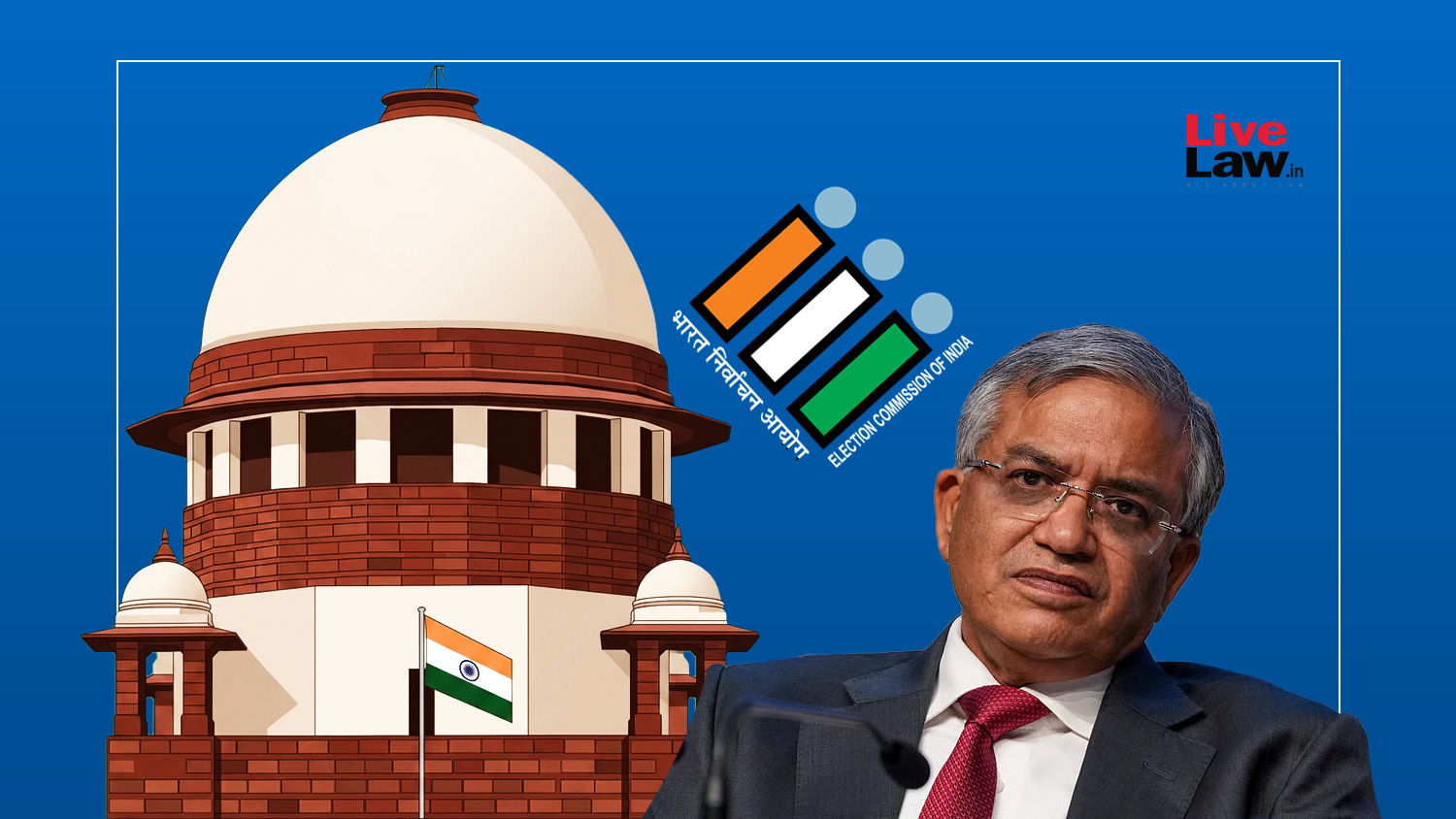
Petition seeks suspension of CEC Gyanesh Kumar and questions unilateral decisions by the Election Commission.
Concerns raised over the Special Intensive Revision process and lack of unanimous decision-making.
Petitioner demands an independent inquiry and preservation of ECI records.
The Supreme Court of India is scheduled to hear a significant petition next week that challenges the authority of Chief Election Commissioner (CEC) Gyanesh Kumar. The petition, filed by Rakesh Kumar Singh, seeks to suspend Kumar and asserts that decisions made by the Election Commission of India (ECI) should not be taken unilaterally by its chairman. Senior Advocate Vikas Singh brought the matter to the attention of Chief Justice Surya Kant, emphasizing the need for early consideration of the plea.
The context of the petition revolves around the structure and functioning of the Election Commission, which is intended to operate as a multi-member body. Singh argued that decisions must ideally be made unanimously or by majority, as stipulated by the statutory framework governing the ECI. He highlighted concerns regarding the Special Intensive Revision (SIR) process, questioning whether the decision to initiate this exercise was genuinely a collective decision of the Commission, given the objections reportedly raised by other Election Commissioners.
The petition cites multiple instances where Election Commissioners Sukhbir Singh Sandhu and Vivek Joshi allegedly recorded objections against various ECI decisions. Between October 2025 and August 2026, at least 14 objections were noted, indicating that significant actions were taken without the Commission's consensus. The legal basis for the petition rests on Article 324 of the Constitution, which mandates that the ECI must function as a collective body, and decisions should reflect a majority or unanimous agreement.
The implications of this case extend beyond the immediate concerns regarding the CEC’s authority. If the court rules in favor of the petition, it could lead to a reevaluation of how the ECI operates, potentially reinforcing the necessity for collective decision-making. This could also impact the public's trust in the electoral process and the integrity of the Commission's actions.
Looking ahead, the Supreme Court's upcoming hearing will be pivotal in determining the future of the petition and the functioning of the ECI. The petitioner is not only seeking the suspension of the CEC but also demands an independent inquiry into the decisions made and the preservation of all relevant records. The outcome could set a precedent for the governance of electoral bodies in India.