Trump's Ambitious Plans for Middle East Post-Iran Conflict
The Trump administration is formulating a comprehensive strategy to reshape US relations in the Middle East following the Iran war.
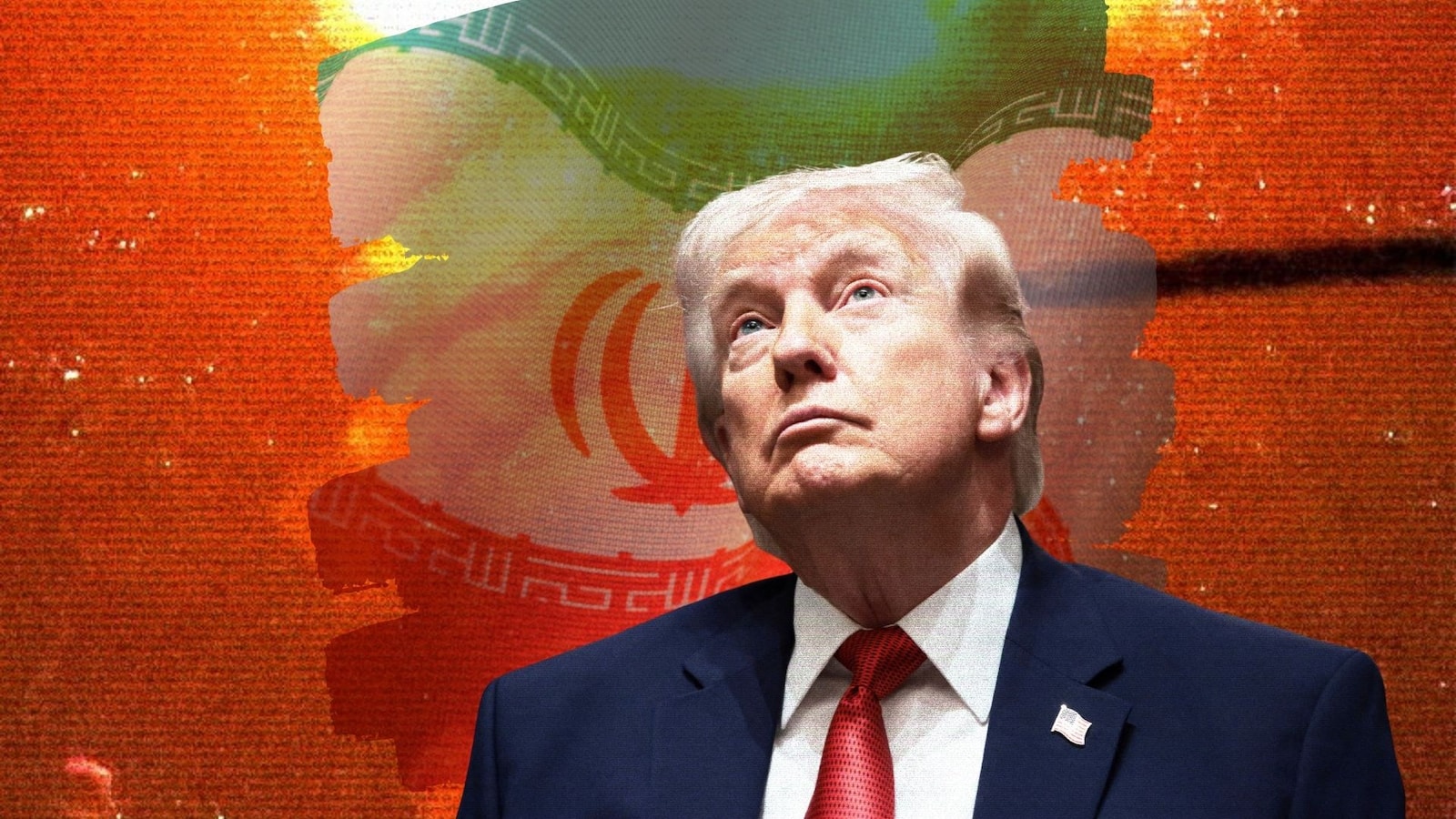
Trump aims to build a regional coalition to counter Iran's influence.
The strategy includes potential normalization deals between Israel and Saudi Arabia.
Upcoming Israeli elections may impact the implementation of the plan.
The Trump administration is reportedly devising an extensive strategy aimed at redefining the United States' approach to the Middle East in the aftermath of the ongoing conflict with Iran. This initiative, still in the planning stages, seeks to establish a regional coalition to contain Iran while fostering closer ties between Israel and its neighboring countries. Sources familiar with the discussions indicate that Trump has expressed intentions to pursue 'something much bigger' for the region once hostilities cease.
The proposed strategy encompasses three primary components. First, it aims to align US allies in the Middle East against Iran, with the United States potentially serving as a security guarantor. Additionally, the administration is exploring avenues to de-escalate tensions following the attacks on October 7, 2023. This could involve advancing Trump's Gaza plan, negotiating a security agreement between Israel and Syria, and implementing the existing Israel-Lebanon agreement.
The third significant aspect of the strategy focuses on expanding the Abraham Accords, which could lead to a normalization agreement between Israel and Saudi Arabia. Such an agreement would represent a substantial achievement for Trump, positioning his administration favorably in the region post-Iran conflict.
However, the upcoming Israeli elections on October 27 and the US midterm elections in November could complicate these plans. Trump's team is optimistic that the newly elected Israeli government will collaborate with Washington on this strategy. Nevertheless, some officials suggest that Trump may proceed with his plans regardless of the election outcomes, even if they result in a political stalemate.
As the strategy continues to evolve, Trump has held discussions with senior advisers in recent weeks, exploring various ideas. However, sources indicate that it may take several more weeks for the plan to be fully developed. The overarching goal is to create a cohesive regional alignment post-war, though it remains uncertain whether all US allies in the region will support this initiative.