Delhi High Court Overturns FSSAI's Directive on Red Bull Labeling
The Delhi High Court has annulled an FSSAI order mandating Red Bull to remove 'energy drink' from its product labels, citing lack of due process.
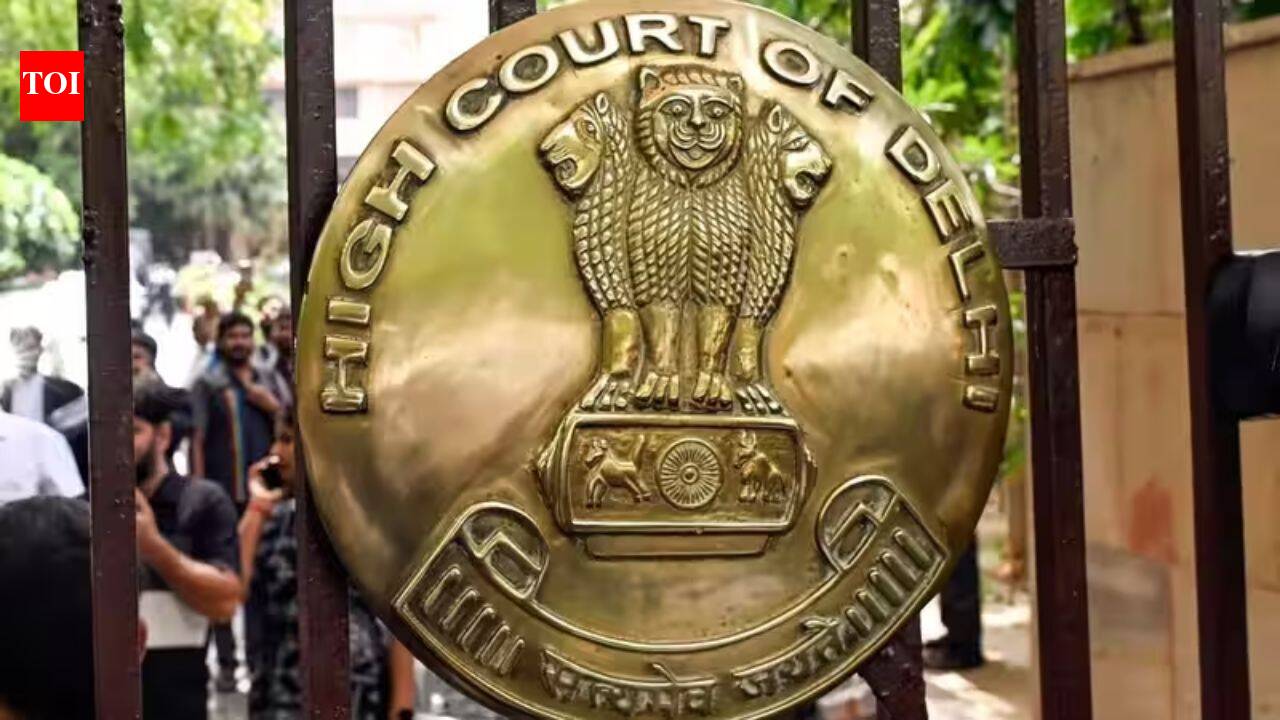
The court ruled that Red Bull was not given a chance to present its case before the FSSAI's decision.
Red Bull has been using the 'energy drink' label since 2002 and challenged the FSSAI's directive issued on June 30.
The ruling comes amid increasing scrutiny of energy drinks globally due to health concerns.
In a significant ruling on Tuesday, the Delhi High Court invalidated an order from the Food Safety and Standards Authority of India (FSSAI) that required Red Bull to cease using the term 'energy drink' on its packaging. The court's decision came after Red Bull contested the FSSAI's directive, which was issued on June 30, 2026, arguing that the order was made without allowing the company to present its views.
The controversy began when Red Bull approached the Delhi High Court, asserting that it had been marketing its products in India under the 'energy drink' label since 2002. During the court proceedings, Justice Amit Mahajan questioned the FSSAI regarding whether Red Bull had received a show-cause notice prior to the order and emphasized the importance of hearing the company's perspective before enforcing such a directive.
The court's inquiry revealed that no interim protection was provided to Red Bull during the initial hearings. Furthermore, Red Bull's petition also contested a subsequent communication from FSSAI dated July 17, which instructed food safety authorities to take action against products deemed non-compliant. The company argued that both the June 30 order and the July communication were issued without prior notice, leading to product seizures across various locations in India.
Red Bull highlighted that the FSSAI's abrupt change in policy contradicted a March 2024 advisory, which had indicated that the term 'energy drink' was permissible for caffeinated beverages. This inconsistency has raised concerns about regulatory clarity, especially as the energy drink market in India is projected to reach $1.6 billion by 2028. The company expressed that the sudden prohibition of the label could jeopardize its existing and future business investments in the region.
As energy drinks continue to face regulatory scrutiny worldwide due to their high caffeine and sugar content, the Delhi High Court's ruling may have broader implications for the beverage industry. The case underscores the need for regulatory bodies to ensure fair processes when implementing significant changes that impact market players. Moving forward, Red Bull's legal team is expected to monitor the situation closely as they navigate the complexities of compliance and market strategy in India.