Recognizing Blood Cancer Symptoms: Key Signs to Watch For
Understanding the warning signs of blood cancers like leukemia, lymphoma, and myeloma is crucial for early diagnosis and treatment.
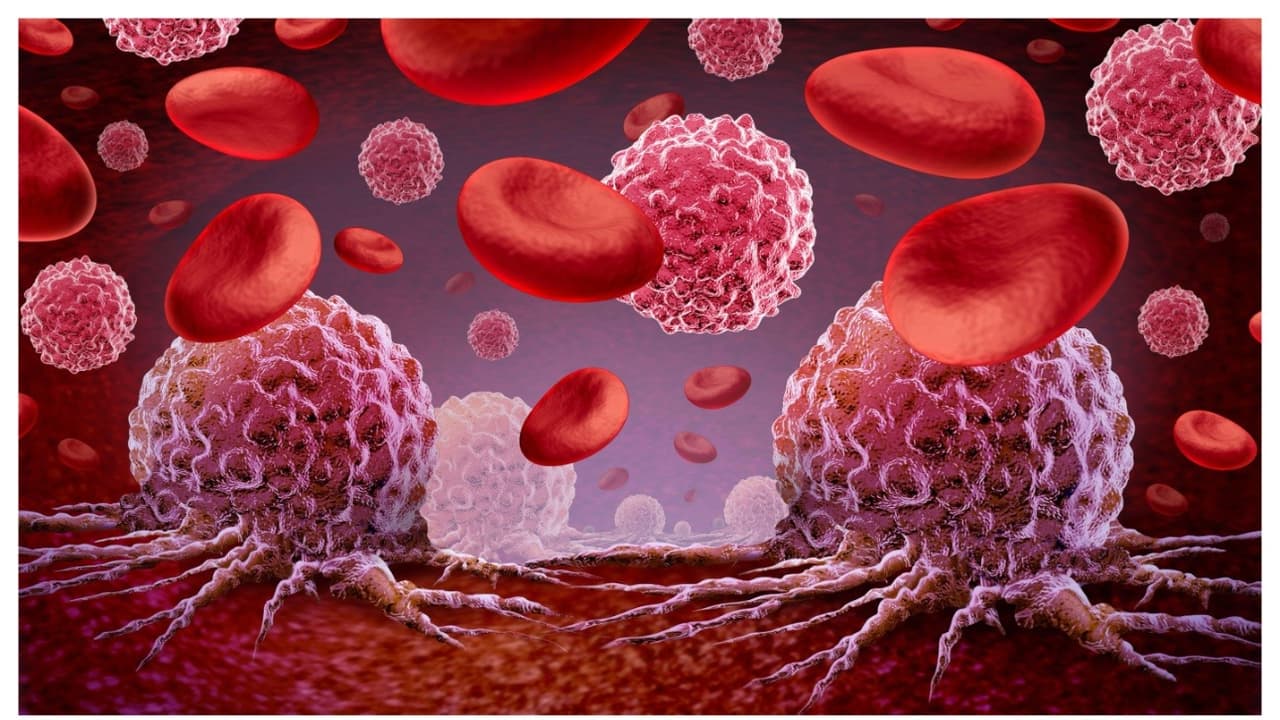
Blood cancers often present with symptoms similar to infections, including fatigue and fever.
Common types include leukemia, lymphoma, and myeloma, each with distinct symptoms.
Early detection can significantly improve treatment outcomes for patients.
Blood cancers, encompassing leukemia, lymphoma, and myeloma, can manifest symptoms that often resemble those of common infections. Recognizing these warning signs is vital for timely medical intervention. September is designated as Blood Cancer Awareness Month, highlighting the need for increased awareness and understanding of these conditions, which are frequently overshadowed by more common solid organ cancers.
Blood cancers originate from bone marrow stem cells and can be classified based on the affected blood cell type. Myeloid malignancies include various forms of leukemia and myelodysplastic syndromes, while lymphoid malignancies encompass lymphomas. Plasma cell disorders, such as myeloma, also fall under this category. Despite their serious nature, blood cancers can often be detected early if individuals remain vigilant about changes in their health.
Patients experiencing symptoms such as fatigue, fever, weight loss, and night sweats may initially be treated for infections, leading to potential delays in diagnosis. In cases where conventional antibiotics fail to alleviate symptoms, further investigations, including blood tests and imaging, may reveal the underlying blood cancer. Specific symptoms can also indicate dysfunction in blood cell production, leading to anemia or increased susceptibility to infections.
Lymphomas are categorized into Hodgkin's and non-Hodgkin's types, with swollen lymph nodes being a common indicator. Unexplained swellings in areas like the neck or armpits warrant immediate medical evaluation, as they may not always be externally visible. Meanwhile, multiple myeloma, characterized by abnormal plasma cells, can lead to severe complications such as kidney failure and increased fracture risk, primarily affecting older adults.
Advancements in treatment protocols have improved the prognosis for blood cancer patients, allowing many to anticipate positive outcomes. Continued education and awareness about the symptoms and risks associated with blood cancers are essential for early detection and effective treatment.