Recognizing Peripheral Vascular Disease: Key Symptoms to Watch
Peripheral Vascular Disease can often be mistaken for normal aging, but recognizing its signs is crucial for heart health.
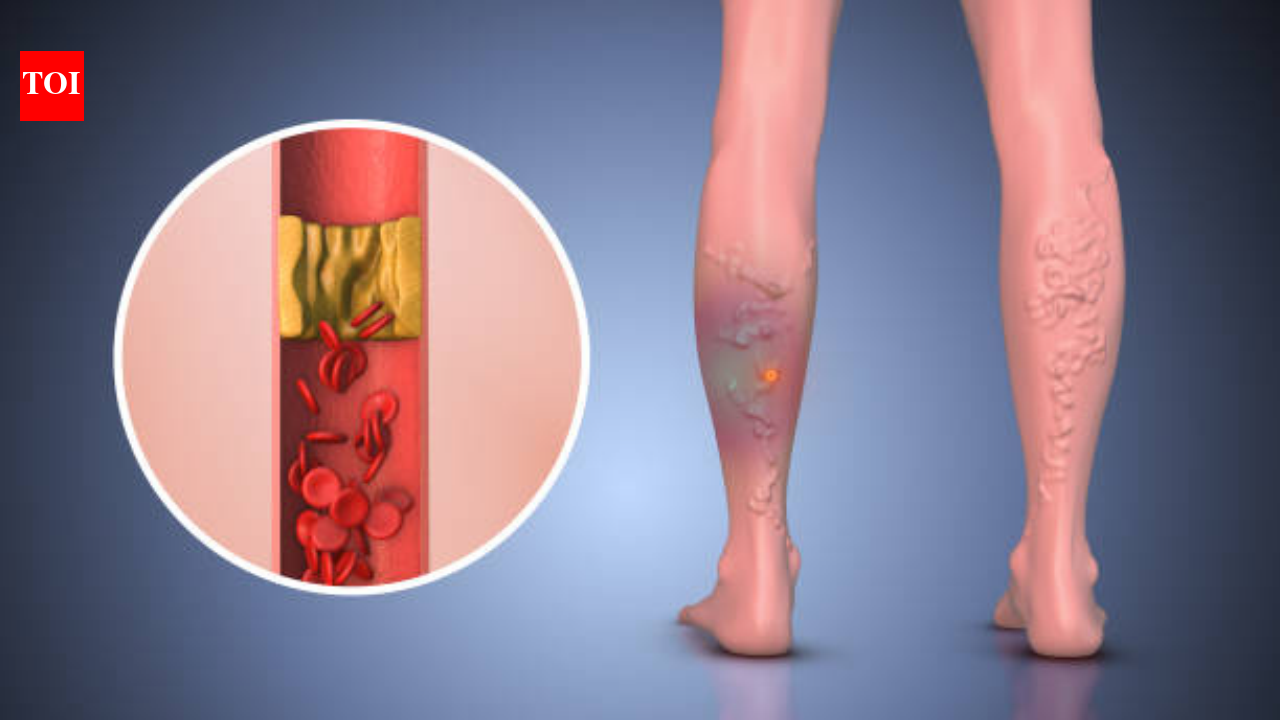
PVD symptoms include leg pain during activity and slow-healing wounds.
Risk factors include smoking, diabetes, and age over 50.
Early diagnosis and lifestyle changes can significantly improve outcomes.
Peripheral Vascular Disease (PVD), also known as Peripheral Artery Disease (PAD), is a common condition affecting blood vessels outside the heart and brain, particularly those supplying blood to the legs and feet. This disease is characterized by the narrowing or blockage of arteries due to fatty deposits, which reduces blood flow to various body parts. Recognizing the symptoms early is essential to prevent complications and enhance quality of life.
The initial signs of PVD are often dismissed as normal aging or fatigue. However, these symptoms can lead to serious health issues if ignored. The most prevalent symptom is pain or cramping in the legs during activities such as walking or climbing stairs, which typically eases with rest. Other warning signs include weakness or numbness in the legs, temperature differences between legs, slow-healing sores, pale or blue skin, and diminished pulses in the feet.
Certain individuals are at a higher risk for developing PVD, particularly those over 50, smokers, and individuals with diabetes, high blood pressure, or high cholesterol. Family history also plays a significant role in the likelihood of developing this condition. Regular health check-ups are crucial, as some may not exhibit obvious symptoms, especially those at increased risk.
Preventive measures and early diagnosis are vital in managing PVD. A physical examination and symptom review are typically the first steps, followed by tests like Doppler ultrasound or CT angiography to assess blood flow and identify blockages. Treatment options vary based on severity, with lifestyle modifications such as quitting smoking, adopting a heart-healthy diet, and regular exercise being fundamental. Medications may also be prescribed to enhance blood flow and prevent clots, while severe cases might require procedures like angioplasty or surgery.
PVD is not merely a leg pain issue; it signifies broader arterial health concerns and raises the risk of heart attacks and strokes. The good news is that with early detection and appropriate treatment, symptoms can be managed effectively, improving mobility and reducing the risk of serious complications. Individuals experiencing persistent leg pain, non-healing wounds, or unusual changes in their legs should consult a vascular specialist promptly to protect both their limbs and heart health.