Trump Proposes Arms Sales to China During Xi's Visit
In a surprising move, President Trump reportedly asked Xi Jinping if China would be interested in purchasing American weapons.
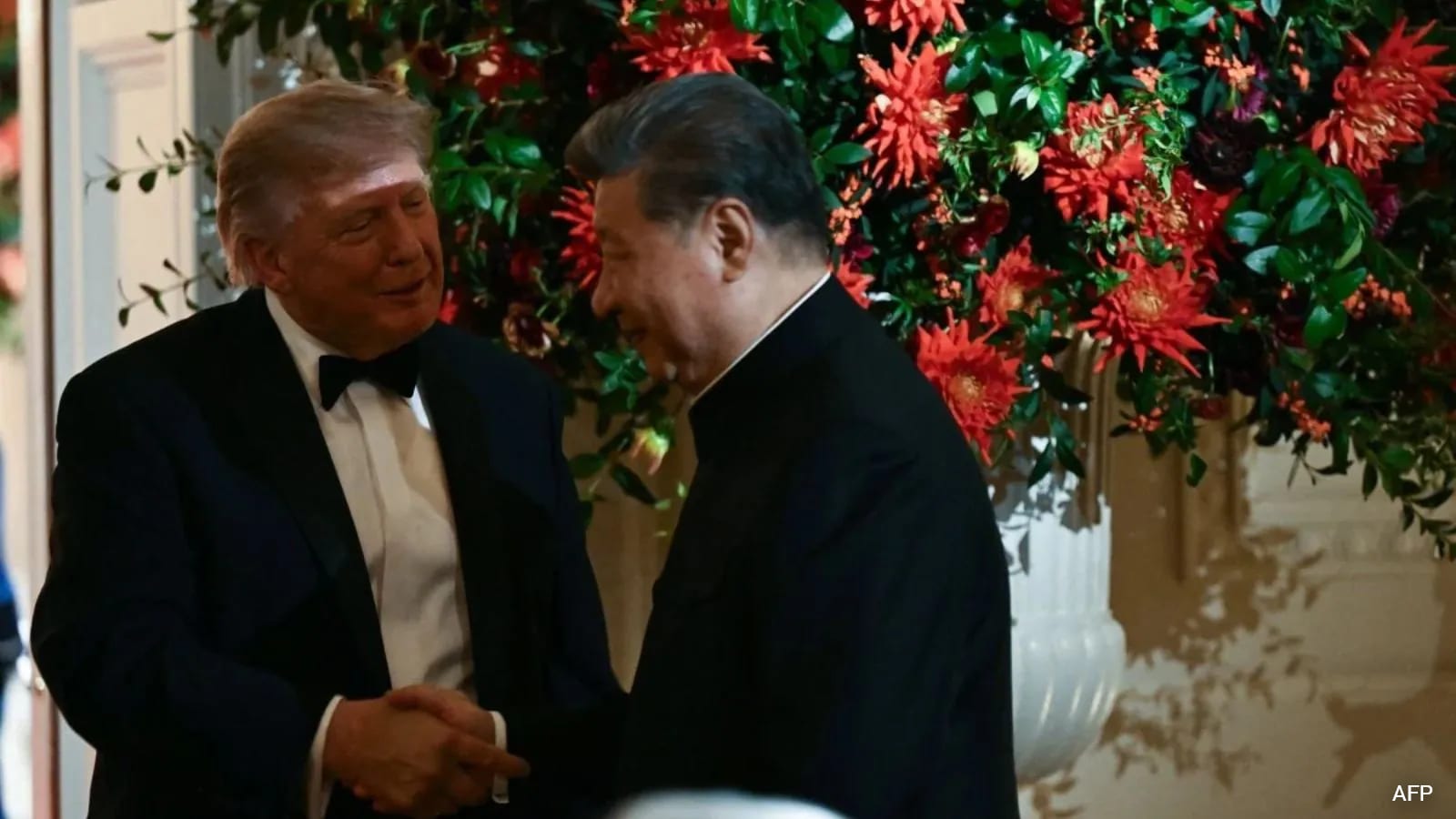
Trump downplayed U.S. arms sales to Taiwan during discussions with Xi.
Ambassador David Perdue revealed Trump's offer to Xi regarding U.S. arms.
China's foreign ministry did not confirm the discussions about arms sales.
During a recent state visit by Chinese President Xi Jinping to the White House, President Donald Trump raised the possibility of China purchasing American weapons. This unexpected offer was disclosed by David Perdue, the U.S. ambassador to China, who emphasized that Trump framed the arms sales as part of broader U.S. transactions globally. The discussions occurred amidst ongoing tensions regarding U.S. arms sales to Taiwan, which China views as a breakaway province.
The context of this conversation is significant, as the U.S. has a longstanding policy of supporting Taiwan's defense capabilities without formally recognizing it as an independent nation. Perdue noted that Trump has been assertive in his support for Taiwan, despite concerns from lawmakers about the implications of arms sales to the self-governing island. The ambassador insisted that Trump has consistently advocated for Taiwan's right to defend itself against potential aggression from China.
In the interview, Perdue stated that Trump remarked on the global nature of U.S. arms sales and even inquired if Xi would be interested in purchasing weapons. This statement raises questions about the future of U.S.-China relations, particularly regarding military sales and Taiwan's defense. The U.S. is legally obligated to provide Taiwan with the means to protect itself, yet the commitment to military intervention in the event of a Chinese invasion remains ambiguous.
China has persistently urged the U.S. to cease arms sales to Taiwan, a point highlighted during previous meetings between Trump and Xi. Following a summit in May, the U.S. temporarily halted a significant arms package to Taiwan, which Trump referred to as a strategic negotiating tool with China. The dynamics of these discussions could reshape U.S. foreign policy in the region and impact Taiwan's security.
Looking ahead, the implications of Trump's remarks could lead to further negotiations between the U.S. and China regarding arms sales and Taiwan's status. As both nations navigate their complex relationship, the international community will be closely watching how these developments unfold, particularly in light of China's ongoing military assertiveness in the region.