JD Vance Advocates for Stricter H-1B Visa Regulations Impacting Indian Workers
JD Vance emphasizes the need for rigorous scrutiny of H-1B visa applications, particularly affecting Indian professionals seeking opportunities in the U.S.
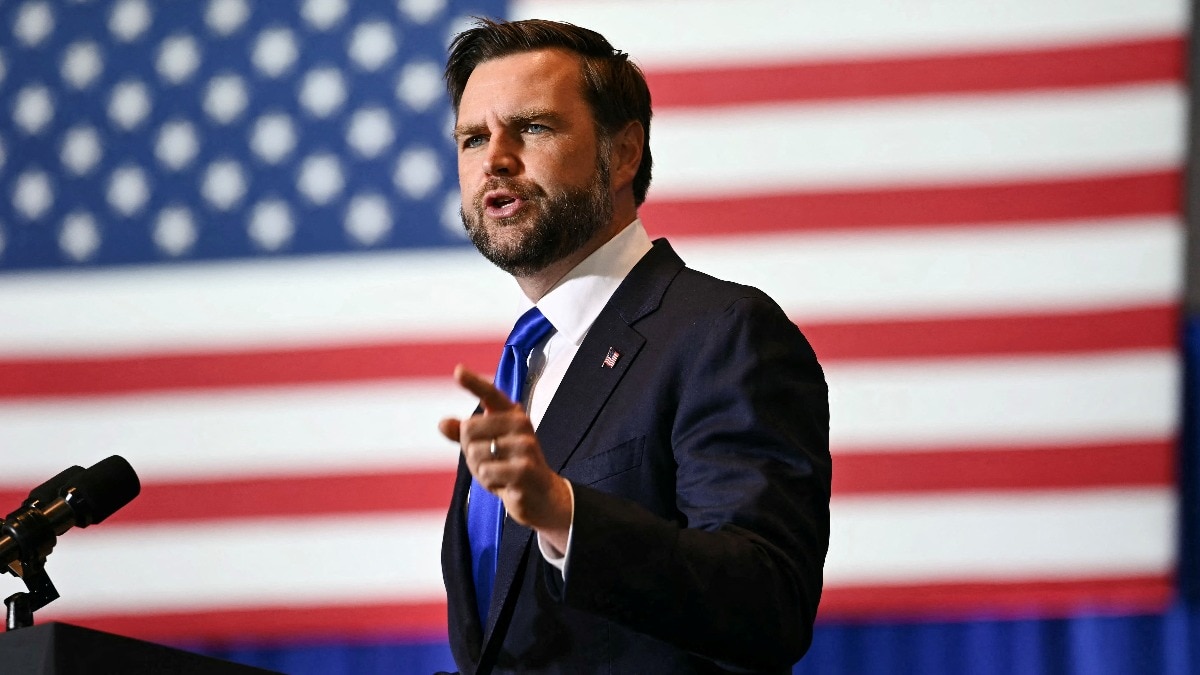
JD Vance supports tighter H-1B visa vetting linked to layoffs and wages.
Indian nationals represent 71% of approved H-1B petitions in 2024.
A new $100,000 fee for certain H-1B applicants raises concerns for Indian tech workers.
In a recent podcast interview, U.S. Vice President JD Vance highlighted the administration's intention to enforce stricter scrutiny on H-1B visa applications, particularly focusing on companies that have laid off American workers. This move comes amid ongoing discussions about the impact of foreign labor on the U.S. job market, with Indian professionals being notably affected due to their significant representation in H-1B approvals.
The H-1B visa program, established in 1990, was designed to allow U.S. companies to hire foreign workers with specialized skills. However, under the current administration, there is a renewed focus on ensuring that these visas are not used to replace American workers with lower-paid foreign labor. Vance defended the $100,000 payment requirement for certain H-1B applicants, arguing that the program should prioritize highly skilled individuals who can contribute positively to the U.S. economy.
Vance's comments follow a recent executive order from former President Trump, which mandates that U.S. agencies consider an employer's recent layoffs when reviewing H-1B applications. The Labor Department has been instructed to investigate previous labor-condition applications to ensure compliance with these new guidelines. Vance criticized companies that claim labor shortages while simultaneously laying off American workers, asserting that such practices are unacceptable.
The implications of these changes are particularly significant for Indian professionals, who accounted for 71% of H-1B approvals in the 2024 fiscal year. The increased scrutiny on hiring practices, especially in the IT sector, could hinder the ability of Indian workers to secure H-1B sponsorship. Additionally, the $100,000 fee for certain new applicants could deter employers from hiring foreign talent, potentially leading to a shift towards local hiring or outsourcing work to other countries.
As the U.S. administration continues to refine its approach to the H-1B visa program, the future for Indian tech workers remains uncertain. The increased costs and regulatory scrutiny may force Indian companies to rethink their strategies for deploying talent in the U.S. market. With over 363,000 Indian students currently enrolled in U.S. higher education, the broader implications of these policies will likely resonate beyond the H-1B program, affecting various sectors reliant on skilled Indian professionals.