Colossal Biosciences Aims for Woolly Mammoth Revival by 2030s
Scientists are working to engineer a cold-resistant elephant with traits of the extinct woolly mammoth, using advanced genetic techniques and AI.
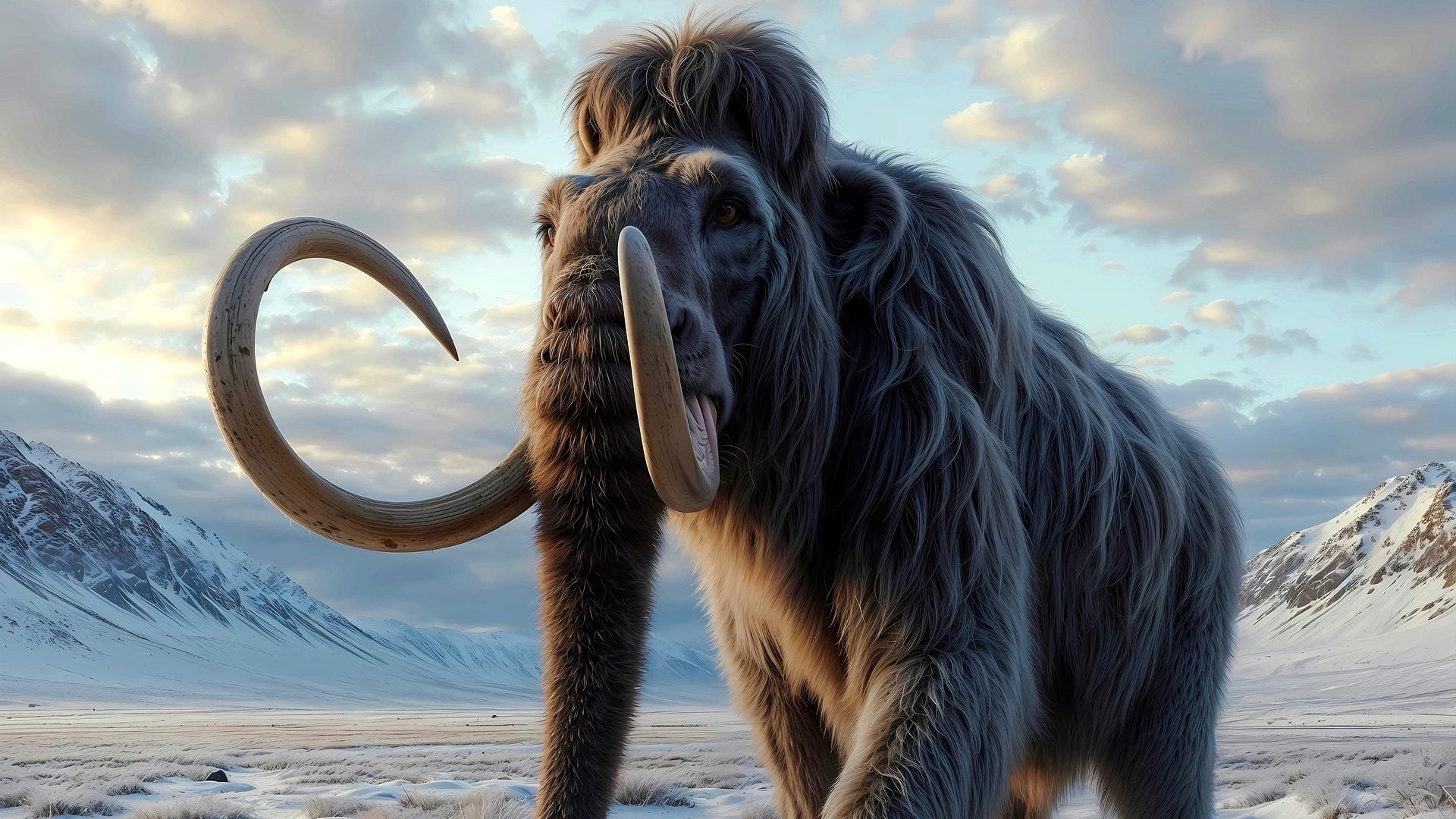
Colossal Biosciences is leading efforts to recreate woolly mammoths.
The project involves modifying over 150 genes in Asian elephants.
AI is crucial for analyzing genetic data and guiding the engineering process.
Colossal Biosciences, a US biotechnology firm, is spearheading a groundbreaking initiative to resurrect the woolly mammoth by engineering a cold-resistant elephant. This ambitious project aims to incorporate key traits from the extinct mammoth, which has been absent from Earth for thousands of years, relying on genetic material preserved in Siberian permafrost and other Arctic regions.
The woolly mammoth, once a dominant species during the Ice Age, has left behind only bones, tusks, and fragmented DNA. Colossal's approach involves comparing the genetic sequences of several mammoths with that of the Asian elephant, their closest living relative, which shares approximately 99.6% of its DNA with the mammoth. The researchers are particularly focused on identifying genetic variations that contributed to the mammoth's adaptations to extreme cold, such as thick fur and fat storage.
To achieve this, scientists plan to utilize CRISPR technology to modify specific genes in the Asian elephant's genome. Unlike cloning, which would require intact mammoth cells, this method aims to create an engineered elephant that exhibits mammoth-like characteristics without being a direct genetic copy. The complexity of this task is compounded by the need to analyze vast amounts of ancient DNA, where artificial intelligence plays a pivotal role in processing data and identifying significant genetic patterns.
Colossal's research has already yielded promising results with the creation of genetically modified “woolly mice,” which displayed traits reminiscent of mammoths. This approach allows researchers to validate their genetic modifications in a faster-growing species before applying similar techniques to elephants, which have longer gestation periods and are endangered. Despite initial estimates of needing to modify around 60 genes, the current requirement has surged to over 150, highlighting the challenges of ensuring successful genetic edits.
Looking ahead, the timeline for achieving a mammoth-like calf has shifted from 2028 to the early 2030s, as scientists navigate the complexities of genetic engineering and embryo development. While the end goal is not to resurrect a true woolly mammoth but to create a new species with mammoth traits, the project raises intriguing scientific and ethical questions about de-extinction and the future of genetic engineering.