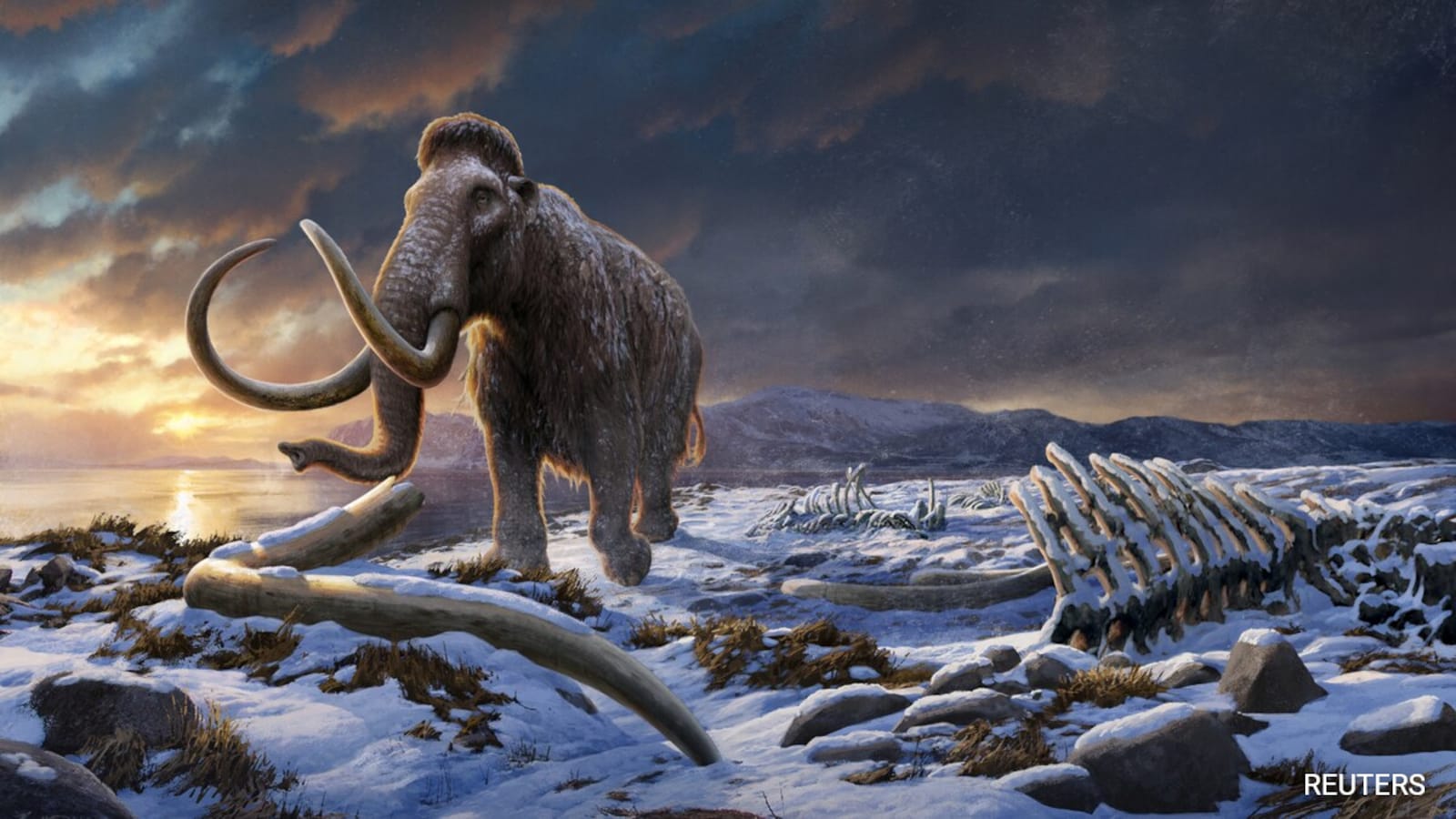
Colossal Biosciences Delays Woolly Mammoth Project to Early 2030s
Colossal Biosciences aims to engineer a mammoth-like elephant by the early 2030s, facing unexpected challenges in genetic editing.
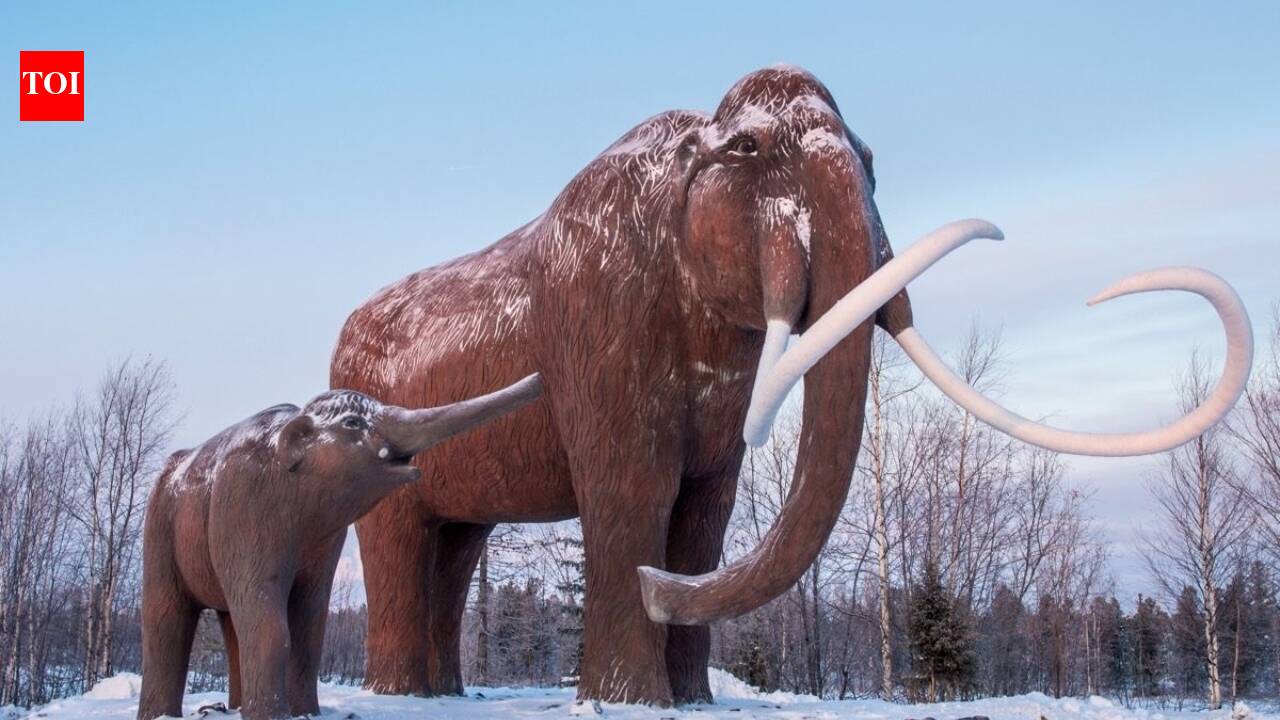
Colossal Biosciences plans to create a mammoth-like animal by early 2030s.
The project involves editing Asian elephant genes to incorporate mammoth traits.
Ethical and biological challenges complicate the resurrection of woolly mammoths.
Colossal Biosciences has announced a revised timeline for its ambitious project to engineer a mammoth-like animal, now targeting the early 2030s instead of the previously set 2028 deadline. This shift reflects the complexities encountered in recreating the biology of woolly mammoths, which have been extinct for thousands of years. The company is utilizing advanced genetic techniques, including CRISPR, to splice mammoth genes into Asian elephant cells, aiming to produce an animal that exhibits some characteristics of the ancient giant.
The concept of de-extinction, particularly in the case of woolly mammoths (Mammuthus primigenius), raises significant questions about what it truly means to bring an extinct species back to life. Colossal's approach does not involve creating a mammoth from scratch; rather, it focuses on modifying the genome of the Asian elephant to reflect certain mammoth traits, such as thick fur and cold resistance. Researchers are comparing the genomes of mammoths with those of modern elephants to identify the genetic differences that contributed to the mammoth's unique adaptations.
As the project progresses, the scale of the genetic editing required has become more apparent. Initially, Colossal estimated that around 60 genetic modifications would be necessary, but this number has now increased to over 150. The company has even conducted preliminary tests on mice to explore these genetic changes, although experts caution that results in mice may not directly translate to elephants. The ultimate goal remains to create embryos that develop with mammoth-like features, but the challenges of achieving this are substantial.
The implications of this project extend beyond mere scientific curiosity. Colossal envisions woolly mammoths as potential “ecosystem engineers” that could help restore ecological balance in northern landscapes. However, the feasibility of reintroducing mammoth traits into today’s Arctic ecosystems remains uncertain. The timeline for the project highlights the difficulties involved, including ethical considerations surrounding the creation of genetically modified animals and the potential risks associated with their development.
While the prospect of woolly mammoths roaming the Earth again remains distant, the ongoing research signifies a significant leap in genetic engineering and conservation science. If successful, this endeavor could redefine our understanding of extinction and the possibilities of engineering new life forms. However, it is crucial to approach this venture with caution, considering the ethical implications and the complex nature of biological development.