Woolly Mammoth Resurrection Target Pushed to Early 2030s
Scientists leverage AI to tackle genetic hurdles in reviving the woolly mammoth, delaying the project to the early 2030s.
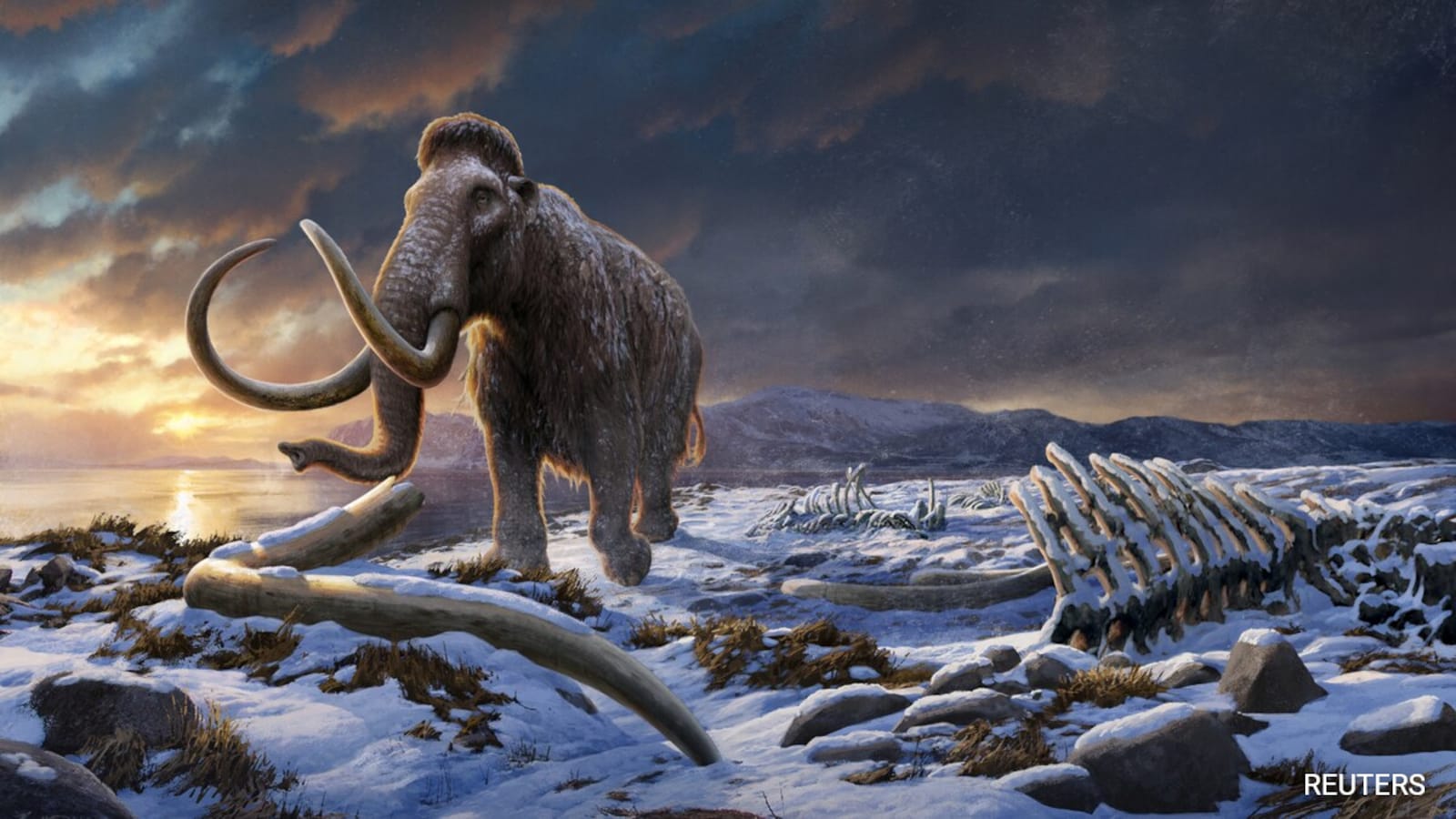
Colossal Biosciences aims to create a mammoth-like elephant by the early 2030s.
Over 150 genetic changes are needed to replicate mammoth features.
AI is crucial for predicting genetic combinations and preventing defects.
Scientists at Colossal Biosciences have announced a significant delay in their ambitious project to resurrect the woolly mammoth, now targeting the early 2030s for the creation of a mammoth-like elephant. Initially, the company aimed to produce a living specimen by 2028, but complexities in genetic engineering have necessitated a reassessment of their timeline.
The project involves extensive genetic modifications to the Asian elephant, the closest living relative of the woolly mammoth, which shares 99.6% of its DNA. Early estimates suggested that around 60 genetic changes would be sufficient; however, further genomic analysis revealed that replicating key mammoth characteristics, such as shaggy fur and cold-adapted fat, requires editing more than 150 genes. This complexity has prompted researchers to integrate advanced artificial intelligence into their methodology.
Colossal's Chief Executive, Ben Lamm, confirmed that AI is now a vital component of the project. The AI systems are designed to analyze millions of genetic combinations, allowing scientists to predict how various gene edits will interact and to mitigate the risk of birth defects in the embryos of modified elephants. This innovative approach follows previous successes, including the creation of genetically modified mice with mammoth-like fur traits.
While the goal is not to create an exact clone of the woolly mammoth, the team aims to develop a hybrid Asian elephant that can withstand Arctic conditions and contribute to the restoration of tundra ecosystems. The implications of this research extend beyond de-extinction; the techniques and insights gained could also enhance efforts in elephant conservation and lead to advancements in human medicine.
As the project progresses, researchers are optimistic about the potential benefits of their work. The integration of AI and genetic breakthroughs could revolutionize not only the revival of extinct species but also the conservation of endangered animals and the development of new medical technologies. Further updates on this groundbreaking initiative are anticipated in the coming years.