Discovery of Two New Paulinella Species from North Carolina
A scientist's motel room transforms into a lab, leading to the identification of two new microscopic species.
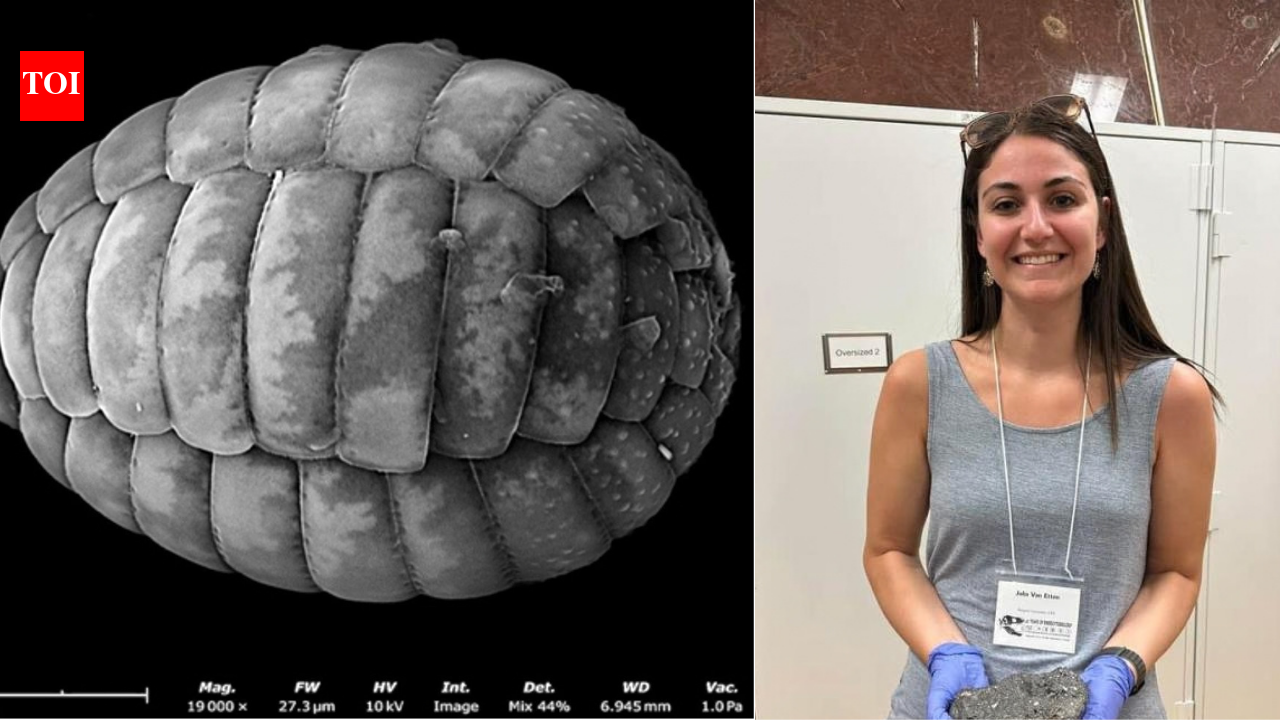
Julia Van Etten discovered two new species of Paulinella during a family trip in 2021.
The research expanded the known Paulinella species from four to six, published in September 2026.
The findings provide insights into primary endosymbiosis and cellular evolution.
In a remarkable turn of events, Julia Van Etten, an evolutionary biologist at the University of Maryland, transformed an $80 motel room into a makeshift laboratory, leading to the discovery of two new species of the rare photosynthetic amoeba genus Paulinella. This groundbreaking research began during a family vacation in May 2021 at North Carolina's Outer Banks, where Van Etten collected a water sample from a roadside marsh. Upon examining the sample with a hobby-grade microscope, she identified two previously undescribed microscopic cells, prompting further investigation.
The initial findings were made using a $300 microscope and a camera intended for her Couch Microscopy project, which aims to bridge science and communication. The motel room served as an unconventional research base, where Van Etten and her team, including researchers from Duke University and Bigelow Laboratory for Ocean Sciences, analyzed samples from the brackish waters of Roanoke Sound. Their approach was innovative, utilizing improvised tools to isolate and study the rare cells, which are typically hard to find in water samples.
The research team meticulously examined the physical characteristics of the two distinct forms of Paulinella, ultimately naming them Paulinella marae and Paulinella murrayi. The species differ in size and the arrangement of their silica scales, with P. marae measuring between 15 to 19.1 micrometres. Despite their rarity, the researchers observed both species at the same location over several years, although attempts to establish a long-term culture were largely unsuccessful.
The discovery has significant implications for understanding evolutionary processes, particularly primary endosymbiosis, where one organism incorporates another to form a symbiotic relationship. This process, which occurred around 100 million years ago in Paulinella, offers insights into how acquired organisms integrate into their hosts. The research highlights the importance of combining field observations, microscopy, and genomic analysis to uncover overlooked organisms in our ecosystems.
Published in the Journal of Phycology on September 4, 2026, the study titled "Crawling under the radar: Two novel Paulinella species expand knowledge about the ecology and evolution of a primary plastid-containing amoeba lineage" emphasizes the potential for further research on Paulinella's ecology and evolution in North Carolina, suggesting that these organisms may be more widely distributed than previously documented.