IIT Roorkee's Prof. Sugata Gangopadhyay Advocates Resilience in Research
In an insightful interview, Prof. Sugata Gangopadhyay emphasizes the importance of patience and learning from failures in research and education.
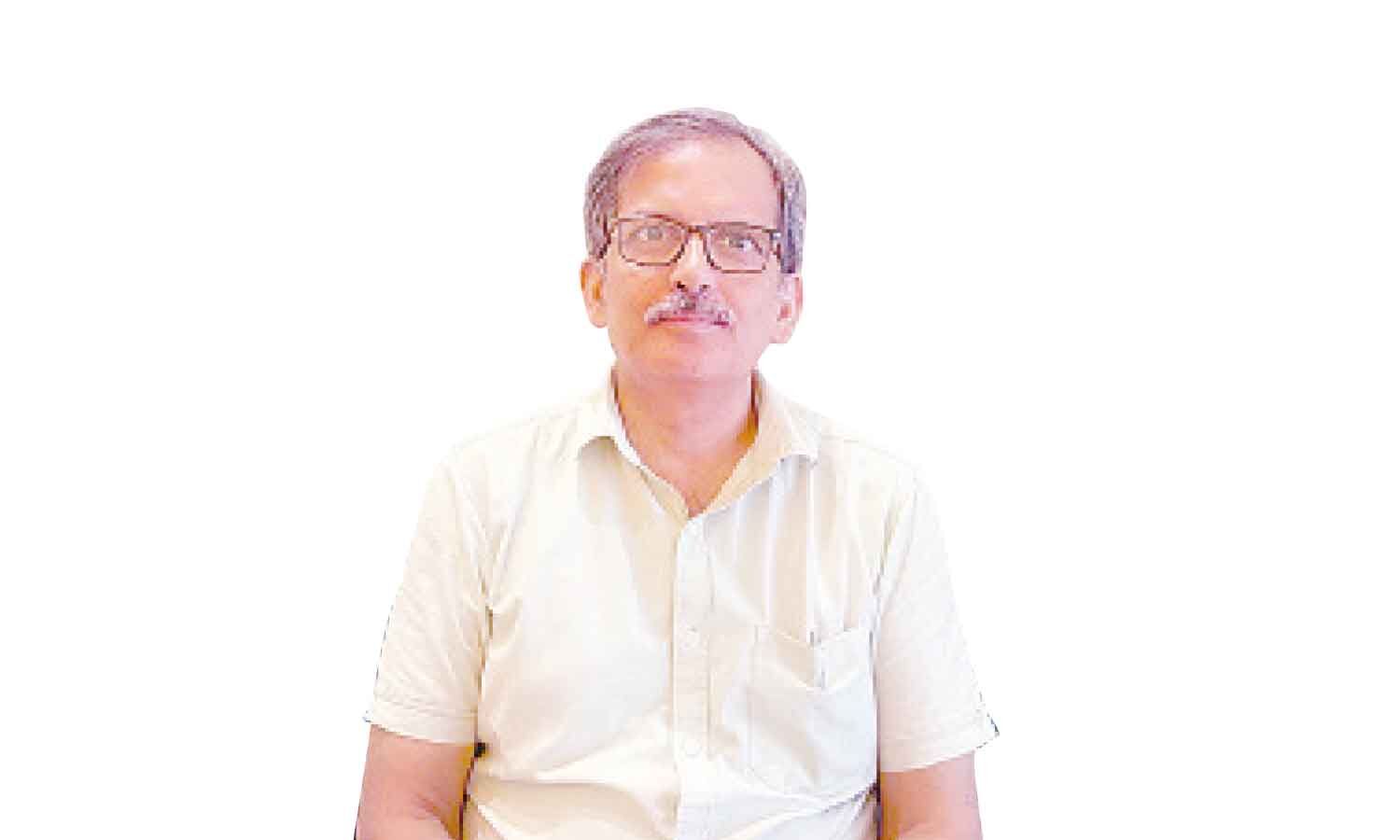
Prof. Gangopadhyay highlights that a single failure does not define a student's potential.
He advises students to focus on strong foundational knowledge in mathematics and programming.
Curiosity and persistence are crucial for success in research and technology fields.
In a recent interview, Professor Sugata Gangopadhyay from IIT Roorkee discussed the evolving landscape of technology education, particularly in fields like artificial intelligence and quantum computing. He emphasized that students should approach research with patience and resilience, viewing failures as informative experiences rather than definitive judgments on their capabilities. This perspective is vital as students navigate the complexities of modern technological advancements.
Gangopadhyay's academic journey, which began with a focus on mathematics, has equipped him with a robust foundation that he believes is essential for students pursuing careers in computer science and cryptography. He encourages learners to prioritize understanding fundamental concepts over merely acquiring technical skills. According to him, a solid grasp of mathematics, particularly linear algebra and probability, is crucial for success in both machine learning and quantum computing.
The professor also addressed the importance of curiosity and problem-solving skills, stating that while academic grades can open doors, they do not guarantee success in research. He noted that many successful researchers may not be top scorers in their classes, highlighting that qualities such as persistence and a genuine desire to learn are often more indicative of future success. Students should embrace setbacks as opportunities for growth and learning, recording their experiences to inform future endeavors.
In terms of practical advice for students interested in cybersecurity, Gangopadhyay stressed the need for good digital habits, such as using strong, unique passwords and enabling two-factor authentication. He pointed out that many security breaches result from human error, making it essential for students to cultivate awareness and caution in their online activities.
Looking ahead, Gangopadhyay identified post-quantum cryptography and the intersection of quantum computing with AI as critical areas for future research. He encourages students to engage in research early in their academic careers, participating in projects and internships to gain hands-on experience. This proactive approach not only enhances learning but also helps students connect theoretical knowledge with real-world applications.