Laika's Historic Journey: The First Animal in Orbit
Laika's mission in 1957 marked a significant milestone in space exploration, despite its tragic end.
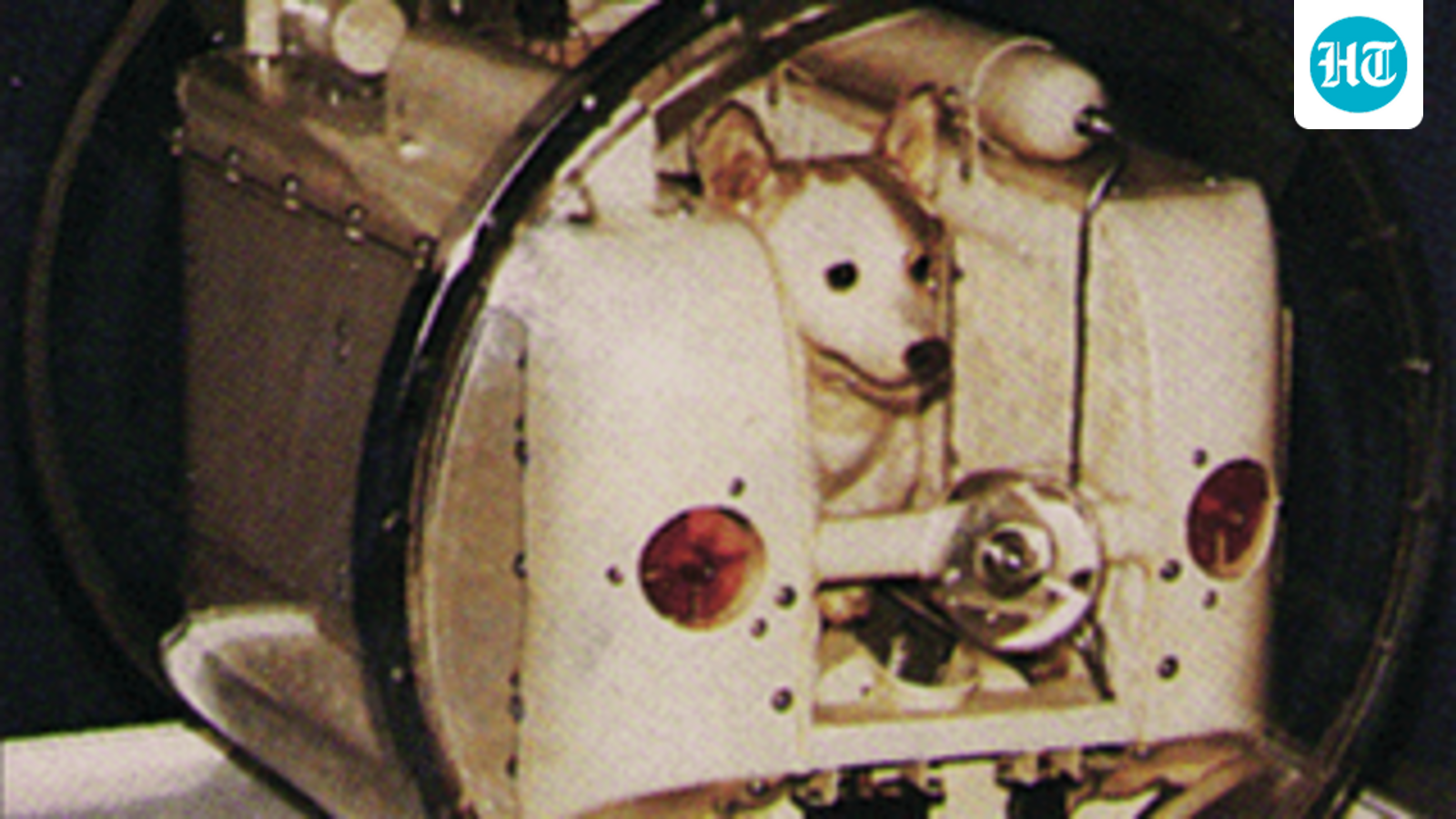
Laika became the first animal to orbit Earth aboard Sputnik 2 in November 1957.
The mission provided crucial insights into the effects of spaceflight on living organisms.
Laika's journey paved the way for future human space travel and research.
On November 3, 1957, Laika, a stray dog from Moscow, made history as the first animal to orbit Earth aboard Sputnik 2. This mission followed the launch of Sputnik 1, the world's first artificial satellite, on October 4, 1957, which had already sparked global interest in space exploration. Laika's journey was a pivotal moment in the space race, showcasing the Soviet Union's advancements in aerospace technology and its commitment to scientific research.
The mission was hastily organized, with limited time to develop a safe return system for Laika. Sputnik 2 was equipped with life-support systems, including oxygen and food supplies, but it was clear from the outset that Laika would not survive the mission. Tragically, she died a few hours after launch due to overheating. The spacecraft continued to orbit until it re-entered the atmosphere and burned up on April 14, 1958, marking the end of a significant chapter in space history.
Laika's flight provided invaluable data on the physiological effects of space travel on living beings. Following her mission, the United States launched Explorer 1 in January 1958, which led to the discovery of the Van Allen radiation belts. The congressional hearings that followed the successful Sputnik missions contributed to the establishment of NASA, which began operations on October 1, 1958. The Soviet Union later achieved further success with missions involving dogs, such as Belka and Strelka, who returned safely to Earth in 1960.
The implications of Laika's mission extended beyond her tragic fate. It initiated a series of experiments that focused on understanding how animals adapt to the conditions of space. Research conducted in subsequent years involved various species, helping scientists learn about the biological responses to microgravity and the challenges of re-entry. These studies laid the groundwork for human spaceflight, as they provided insights into the potential risks and adaptations required for astronauts.
Looking ahead, the legacy of Laika continues to influence space exploration. Her mission remains a poignant reminder of the sacrifices made in the name of science. As humanity prepares for future missions to Mars and beyond, the lessons learned from Laika's journey and subsequent animal research will play a crucial role in ensuring the safety and success of human space travel.