NASA's NISAR Satellite Captures Lava Flow from Krasheninnikov Volcano
NASA's NISAR satellite has been monitoring the lava flow from the recently active Krasheninnikov volcano, providing unprecedented insights into volcanic activity.
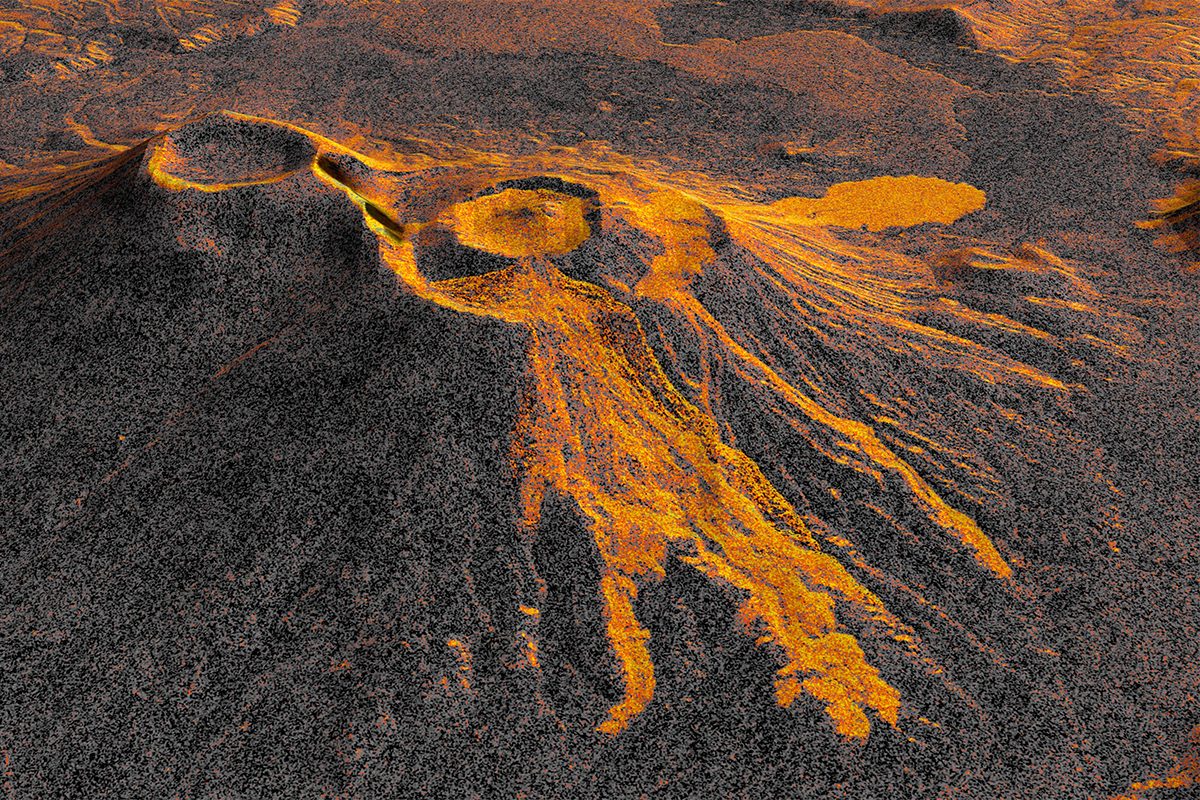
Krasheninnikov volcano erupted unexpectedly on July 30, 2025, after being dormant since 1550.
NISAR, launched the same day, uses advanced radar technology to monitor environmental changes.
The satellite's dual SAR systems allow for detailed imaging of volcanic activity and terrain.
NASA's NISAR satellite has been closely observing the lava flow from the Krasheninnikov volcano, which erupted unexpectedly on July 30, 2025. This eruption marked the first activity of the volcano in nearly five centuries, following a significant earthquake in the nearby ocean. The NISAR satellite, launched on the same day, is part of a collaborative effort between NASA and the Indian Space Research Organisation (ISRO) to monitor Earth's environment from space.
The Krasheninnikov volcano is located on the Kamchatka Peninsula, a region known for its volcanic activity. The peninsula, situated between Japan and Alaska, hosts numerous volcanoes, many of which have been inactive for centuries. The recent eruption of Krasheninnikov has drawn attention to the importance of monitoring such geological phenomena, especially given the potential for sudden eruptions.
Since December 25, 2025, NISAR has been collecting data on the lava flow, flying over the area every six days. The satellite employs Synthetic Aperture Radar (SAR) technology, which sends thousands of microwave pulses to the Earth and maps the reflected signals to create detailed images of the terrain. NISAR features two complementary SAR systems, one operating at L-band and the other at S-band, allowing for enhanced imaging capabilities.
The timelapse video produced from images captured in August 2026 showcases the lava filling a smaller caldera and overflowing into a larger crater, illustrating the dynamic changes occurring at the volcano. The ability to monitor Krasheninnikov and similar volcanoes is crucial for volcanologists and seismologists, as it enables a quicker response to potential eruptions, thereby enhancing public safety.
Looking ahead, the ongoing monitoring of Krasheninnikov and other active volcanoes will provide valuable data for scientists and emergency responders. The advancements in satellite technology, exemplified by NISAR, will play a significant role in understanding volcanic activity and mitigating risks associated with future eruptions.