New Study Reveals European Origins of Bats
A groundbreaking study indicates that bats likely originated in Europe, reshaping our understanding of their evolutionary history.
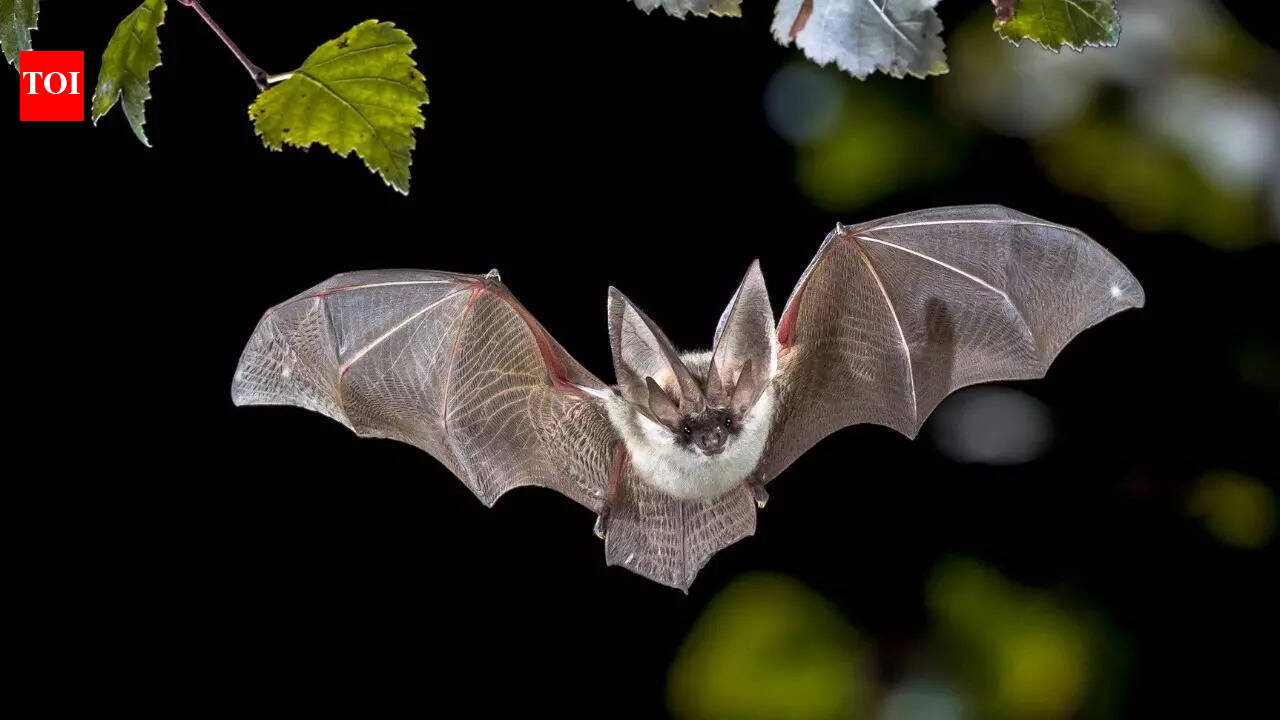
Bats are believed to have first evolved in Europe, not Africa or Asia.
Echolocation may have developed concurrently with powered flight in early bat species.
The study utilized advanced genomic analysis to reconstruct the bat family tree.
A recent study published in the journal Nature has provided significant insights into the evolutionary origins of bats, suggesting that these creatures first appeared in Europe approximately 56 million years ago. This research, part of the Bat1K project, analyzed genetic data from 103 bat species, revealing that the ancestors of modern bats likely took to the skies in Europe rather than in previously suggested locations such as Africa or North America.
Historically, bats have posed numerous questions for scientists, including their origins and the evolution of their unique traits such as powered flight and echolocation. The fossil record has been sparse, with the oldest bat fossils dating back to the early Eocene. This lack of evidence has made it challenging to pinpoint where the first bats emerged. However, the new study combines genetic data with fossil evidence and anatomical characteristics to create a clearer picture of bat evolution.
The researchers employed chromosome-level genomes and morphological data from both living and extinct bat species. They found that some early bats already possessed echolocation abilities, suggesting that this trait evolved alongside flight. The study also highlighted the complexity of bat evolution, revealing that previous research may have misinterpreted genetic relationships due to conflicting signals in the genome. By analyzing a broader dataset, the researchers could clarify these relationships and propose a more accurate family tree for bats.
The implications of this research extend beyond academic interest; understanding bat origins and evolution is crucial for biodiversity conservation efforts. Bats play vital roles in ecosystems, including pest control and pollination. As such, pinpointing their evolutionary history can inform conservation strategies, particularly in the face of habitat loss and climate change.
Looking ahead, the study opens avenues for further research into bat evolution and ecology. Future studies may focus on filling gaps in the fossil record and exploring the evolutionary relationships of lesser-known bat species. As researchers continue to investigate the complexities of bat ancestry, the findings from this study will serve as a foundational reference for understanding the rich evolutionary history of these remarkable mammals.